

Controversial Migration & Asylum Pact to come into force in 2026, 15 EU countries demand stricter rules (enr)
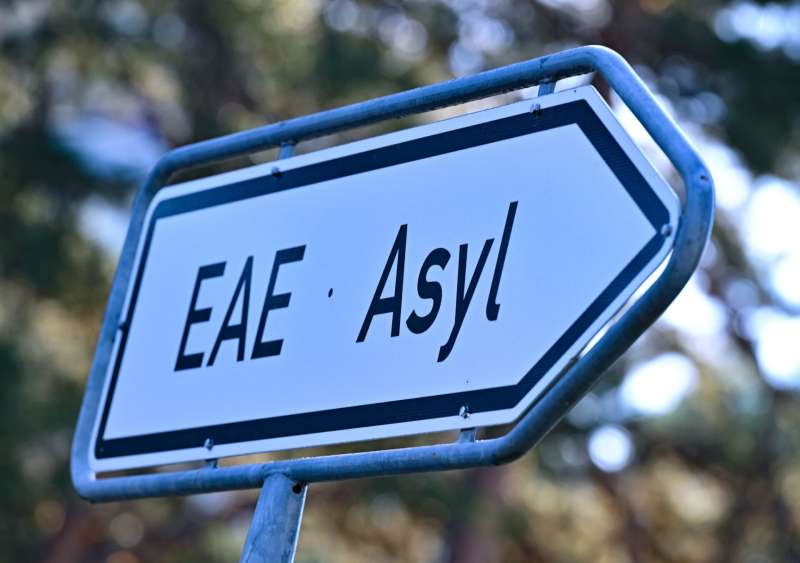
On May 14, EU member states took the last hurdle to a stricter, controversial migration and asylum pact after nearly a decade of wrangling. The overhaul comes into force from 2026. However, 15 EU countries already expressed a desire to clamp down on illegal migration even further in a letter to the European Commission on Wednesday.
The EU on Tuesday gave the final green light to a landmark overhaul of its migration and asylum policies that will see hardened borders and responsibility shared among member states.
EU officials had been at pains to wrap up the migration reforms ahead of European elections scheduled for June. The issue has been politically divisive, especially since an influx of arrivals in 2015 that exposed the migration system's weaknesses.
The new body of law is the product of years of fierce debate, which came to a head in a tense European Parliament vote in April.
The overhaul consists of ten pieces of legislation, which were supported by the vast majority of EU member states. Hungary and Poland voted against the entire package and countries such as Austria and Slovakia opposed particular parts. The Czech Republic, also a critic of the pact, abstained from all ten votes.
Following confirmation by the EU countries, the new pact will now be published in the official EU journal. The member states will then have two years to put the rules adopted on Tuesday into practice. The European Commission will soon present a common implementation plan to help the member states in this process, the Belgian EU presidency said.
The new laws require all 27 EU member states to take some responsibility for managing asylum applications - including those who voted against the reforms - but the package also makes the rules stricter for applicants. It establishes new border centres that will hold irregular migrants while their asylum requests are vetted. Deportations of those deemed inadmissible will be accelerated.
'These new rules will make the European asylum system more effective and increase solidarity between member states,' said Belgium's asylum and migration minister Nicole de Moor.
European Council president Charles Michel called the legislation 'a milestone in the EU's response to manage migration and reform the system' on X, while German Chancellor Olaf Scholz called it a 'historic agreement'.
In contrast to that, Czech Prime Minister Petr Fiala stated that while the pact was a first step towards tackling illegal migration, it was not enough. He said that's the reason why the Czech Republic has co-founded a group of countries that want to tackle illegal migration more strongly.
A sentiment shared by Danish Prime Minister Mette Frederiksen who called the current situation with migrant flows towards Europe 'unsustainable' during a conference on migration challenges on May 6 in Copenhagen.
The pact is drawing criticism from migrant rights charities, some nationalist governments and researchers for different reasons. Rights group Amnesty International, for example, argued that it will 'lead to greater human suffering'.
Migration researcher Judith Kohlenberger of the Vienna University of Economics and Business stated in an interview with the Austrian Press Agency that the reform was completely ignoring the fight against the causes of flight. 'On the one hand, we are fending off refugees, while on the other we are constantly helping to create the reasons for flight - see the consequences of the climate crisis or economic policy. Europe is contributing to flight and labour migration,' emphasised Kohlenberg.
According to her, the only positive thing about the EU asylum and migration pact, which is to be implemented over the next two years, is that the 27 member states have finally managed to reach a compromise on migration policy.
'It would have been a declaration of bankruptcy by the EU Commission if there had been no progress here.' This would play into the hands of the right-wing parties in the EU elections in June.
The EU elections are expected to see a surge by far-right parties campaigning on the need to crack down on irregular migration. The far-right Swedish Democrats - a member of European Conservatives and Reformists (ECR) group in the European Parliament - for example chose 'My Europe is building walls' as their main slogan for the upcoming European elections.
Petar Volgin, an MEP candidate for the far-right Bulgarian Vazrazhdane Party, said in an interview on Tuesday that 'flooding' the country with migrants or, alternatively, 'paying exorbitant sums to keep them from coming here in the name of [Bulgaria joining the Schengen Area for air and sea travel]' must be taken out of the picture. Only then Bulgaria could reinstate its national sovereignty and strengthen its economy.
Fabrice Leggeri, former Frontex executive director and third on the list of the French far-right National Rally party for the European elections, said he saw the June vote as 'a referendum'. Frontex is the EU agency responsible for borders. Leggeri also rejected the idea that Frontex is a 'super humanitarian NGO' in an interview with Portuguese news agency LUSA, rather advocating for 'pragmatism' in migration management.
Eurostat: Asylum applications in Europe on the rise
Asylum applications in Europe are on the rise, according to Eurostat data. In 2023, 1.048.900 first-time asylum applicants were recorded which is an increase of 20 percent compared to 2022 (873.700), almost reaching the highs of 2015 and 2016.
The highest number of first-time asylum applicants in 2023 in comparison to the population of each member state, was recorded in Cyprus (13 applicants per 1.000 people), followed by Greece and Austria (both six applicants per 1.000 people).
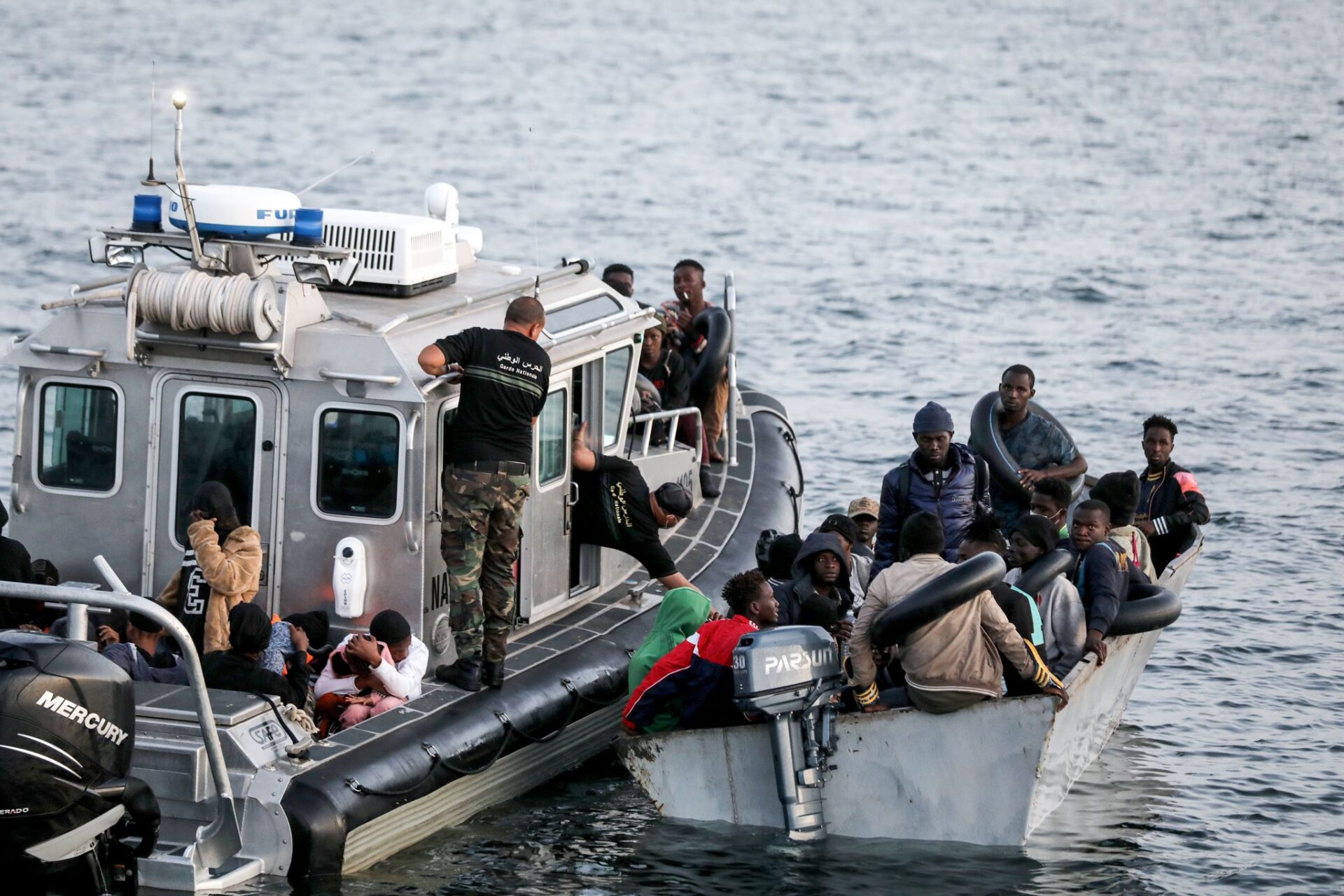 The Tunisian coastguard intercepts small boats carrying migrants trying to cross the Mediterranean and tows them back to the coast of the southern Tunisian city of Sfax. Photo: Khaled Nasraoui/dpa
Solidarity Mechanism: Take people in or pay up
The mechanism is intended to relieve the burden on those countries where many refugees arrive - for example Italy, Greece or Spain. The plan is to redistribute at least 30,000 refugees from these countries to other EU states each year. If the countries do not want to take in refugees, they must provide support to the under-pressure nations, for example in the form of cash payments.
In Slovenia, for example, this could mean that the country would likely have to take in 126 persons or contribute 2.8 million Euro annually.
Slovakia has expressed its dissatisfaction with the new mechanism through its vote: The country voted against two proposals of the ten-point reform package - against the payment of 20,000 Euro for each unaccepted migrant and against compliance with certain asylum obligations - and abstained on eight less fundamental proposals.
'In particular, we did not agree on things such as the fact that if we refuse to take in migrants, we have to pay 20,000 Euro. From Slovakia's point of view, the situation is still good today. With around 30,000 migrants to be redistributed, the impact on Slovakia would be around six million Euro, but with mass migration it would be tens of millions,' Slovak Finance Minister Ladislav Kamenický explained after the vote.
The biggest problem for Slovakia is that the new pact does not mention a financial ceiling for such payments.
Deals with third countries on the rise: 15 EU states demand further tightening of rules
In parallel with the sweeping reforms, the EU is stepping up its deals with countries of transit and origin aimed at curbing the number of arrivals.
In recent months, that has seen agreements inked with Tunisia, Mauritania and Egypt. Other examples of the trend towards outsourcing migration policies in Europe are the British Rwanda model or the bilateral Italy-Albania agreement. It entails sending migrants rescued in Italian waters to Albania while their asylum requests are processed. In February, the Albanian Parliament approved a draft law about tighter cooperation with Italy regarding migration.
Through a joint letter to the European Commission, dated May 15, fifteen EU states have demanded a further tightening of the bloc's asylum policy, making it easier to transfer undocumented migrants to third countries, including when they are rescued at sea. The letter cited the example of the arrangement it made with Turkey in 2016 to take in Syrian refugees from the war in their home country.
The coalition of countries was put together by the Czech Republic together with Denmark and Austria. The letter, which was signed by 15 interior ministers, was delivered to Brussels on Wednesday evening, a spokeswoman for the European Commission confirmed on Thursday.
According to her, the Union executive will now deal with its content. In addition, it will also deal with the implementation of those legislations that are included in the recently adopted migration package.
Signatories include Bulgaria, Czech Republic, Denmark, Estonia, Greece, Italy, Cyprus, Latvia, Lithuania, Malta, the Netherlands, Austria, Poland, Romania and Finland.
Italy and Greece receive a substantial number of the people making the perilous journey across the Mediterranean Sea to reach the EU - many seeking to escape poverty, war or persecution, according to the International Organization for Migration.
Experts: Outsourcing needs clarification
The new migration and asylum pact proposals such as third-country pacts will fall to the next EU executive which will take office after the European elections.
Camille Le Coz, an expert from the Migration Policy Institute Europe, said that there were 'many questions' about how any such initiatives could work.
Under EU law, immigrants can only be sent to a country outside the bloc where they could have applied for asylum, provided they have a sufficient link with that country. That rules out - for now - any programmes such as the United Kingdom's deal with Rwanda to send arrivals to the African country.
Le Coz said that it still needs 'to be clarified' how proposals for any EU outsourcing deals would work as well as 'who the European authorities are working with and which third countries are likely to accept'.
Henrik Emilsson, migration researcher at Malmö University, also classifies the idea of handling the asylum process outside of the EU as 'political slogans' rather than something that can be done, at least on a short term. According to him, asylum centres outside the EU might even need a treaty change.
This article is published weekly. The content is based on news by AFP, ANSA, APA, ATA, BTA, CTK, dpa, EFE, Europa Press, LUSA, Ritzau, STA, TASR, TT agencies participating in the enr.AGERPRES(EN - editor: Maria Voican)
The content of the www.agerpres.ro website has the exclusive purpose of public informing.
All the information published on this website by AGERPRES is protected by relevant legal dispositions.
It is forbidden to copy, reproduce, recompile, decompile, distribute, publish, display, modify, create derived components or products or full services, as well as any exploitation of the site's content.
Details in the section Terms of Use. If you are interested in picking up AGERPRES news items, please contact the Marketing Department – marketing@agerpres.ro.
The use of the Comments section entails your obligation to respect the AGERPRES terms and conditions in regards to the publishing of comments on the www.agerpres.ro.
Other news in category
Minister Pislaru: I don't believe a technocrat leading the government would work
The interim Minister of Investments and European Projects, Dragos Pislaru, said on Saturday that he does not believe in the option of a technocrat leading the Government, because such a figure would rely on 'volatile political support'. Pislaru was asked in an interview with Digi24 private television broadcaster whether he was the technocrat who could
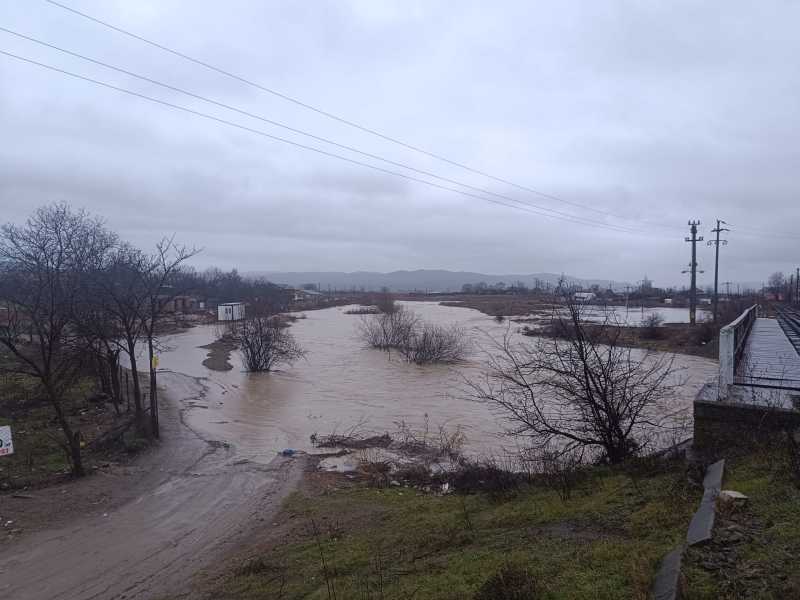
Ministry of Environment calls extraordinary meeting following bad weather alerts
The interim Minister of the Environment, Waters and Forests, Diana Buzoianu, on Saturday convened the ministerial committee for emergency situations (CMSU), established within the Ministry of Environment, Waters and Forests (MMAP). According to a press release from the ministry, the extraordinary CMSU meeting was called following weather information and warnin
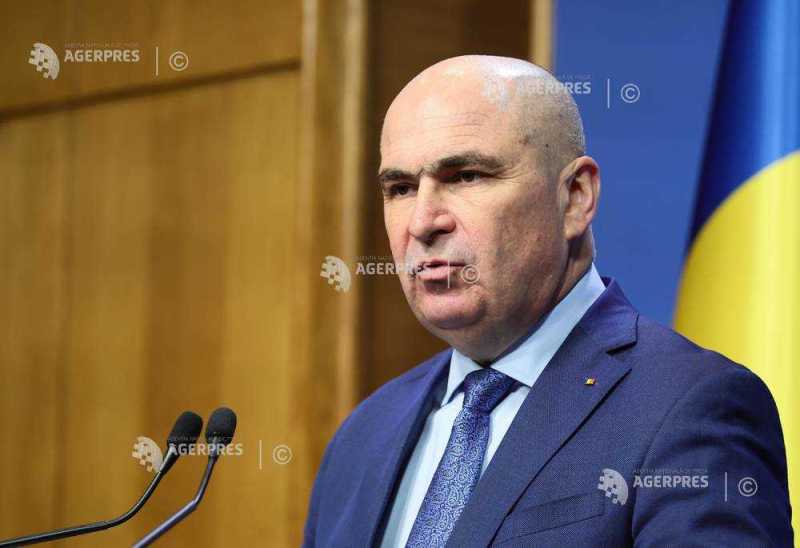
Interim PM Bolojan: If the PSD is in government, the PNL will be in opposition; we want to be Romanians' choice in 2028
The president of the National Liberal Party (PNL), interim Prime Minister Ilie Bolojan, stated on Saturday in Timisoara that the party has two political objectives: in the short term, to find a governing formula in which the PNL assumes its responsibilities, and in the medium term, for 2028, to create an alternative for Romanians who want the country to modernise and develop
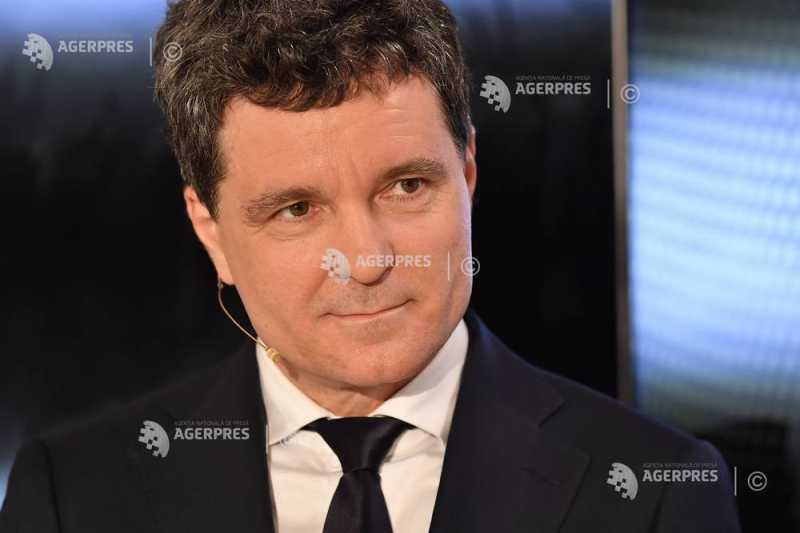
President Dan on National Day of Religious Freedom: We have a duty to denounce religious extremism
President Nicusor Dan said on Saturday, in a message delivered on the occasion of the National Day of Religious Freedom and the Contribution of Religious Denominations to Romanian Society, that his appeal on this occasion is for religious values not to be used as pretexts for artificial divisions or sterile confrontations, and for religious extremism to be denounced.
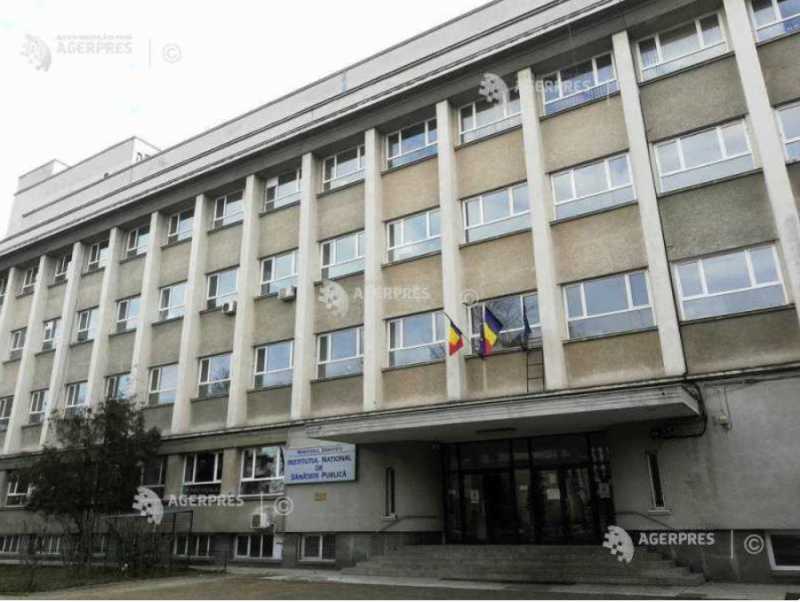
INSP says hantavirus suspicion under review as epidemiological investigation continues
Romania's National Institute of Public Health (INSP) issued clarifications on Friday evening regarding the case of a patient whose PCR test at Arad County Hospital returned positive for hantavirus, noting that an epidemiological investigation is under way and that the patient has been hospitalized in a psychiatric facility for the past three years. 'A
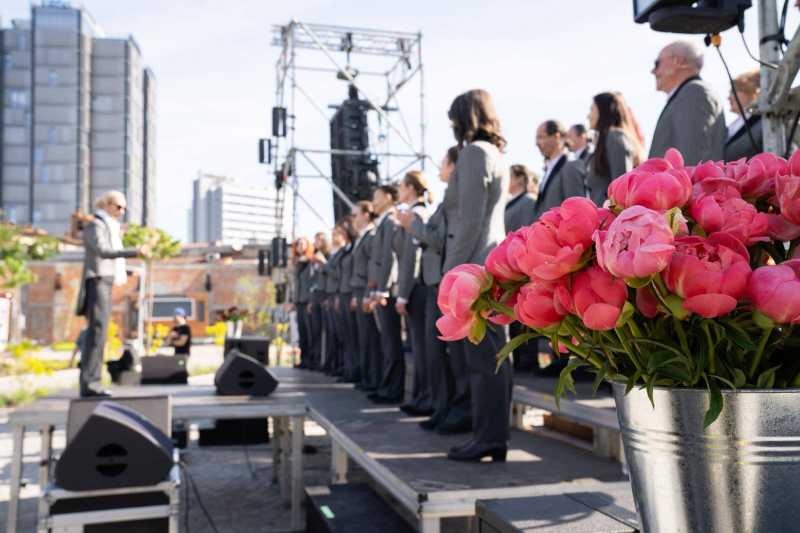
Romania's first domestically bred peony to be named Madrigal, honouring the renowned choir
The University of Agronomic Sciences and Veterinary Medicine of Bucharest (USAMV) and the Madrigal - Marin Constantin National Chamber Choir have launched a special project dedicated to Romania's national flower: the creation of the 'Madrigal Peony', the first peony variety developed in Romania. According to the announcement, the breeding work will

President Dan: It is our responsibility to increase defence spending
President Nicusor Dan said on Friday, in a social media message, that it is Romania's responsibility to increase its defence spending given increasing security risks. He added that 'only by ensuring peace can our societies remain free and prosper in the future.' Dan participated in the Black Sea Defence, Aerospace and Security - BSDA trade show of
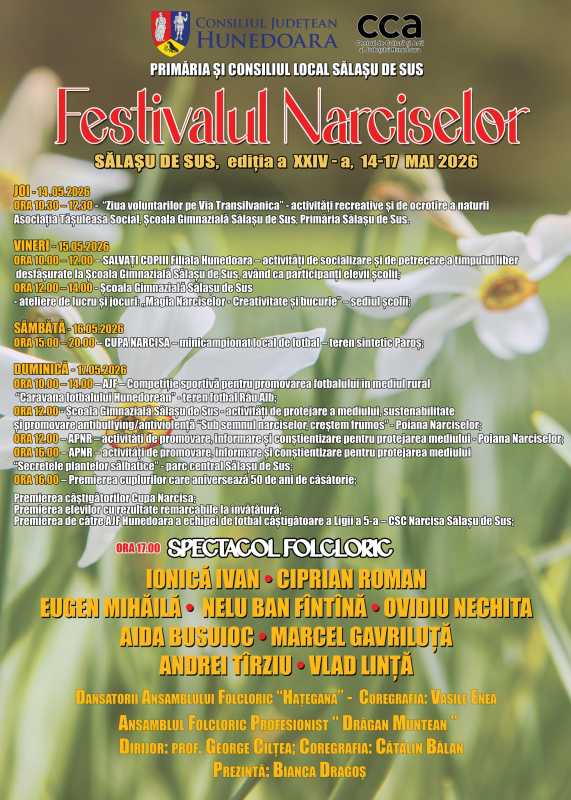
Wild-daffodil festival returns this weekend to Salasu de Sus, below the Retezat peaks
Thousands of wild daffodils have burst into bloom in a meadow at the foot of the Retezat Mountains, in the commune of Salasu de Sus - a spectacle that has prompted local authorities to stage a new edition of the Daffodil Festival this weekend. 'The Daffodil Festival is one of the most important events we host in Salasu de Sus. Like the daffodils themselves
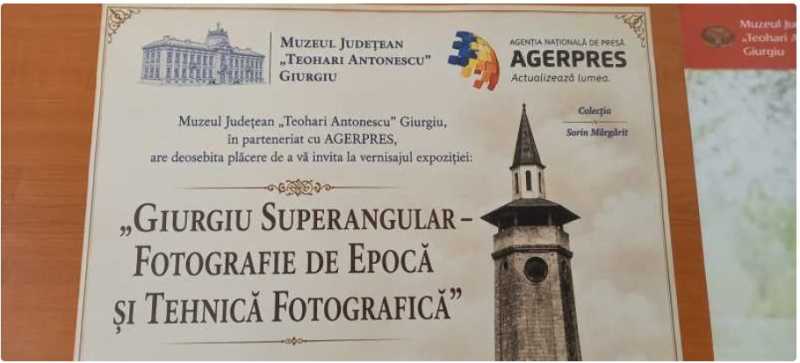
'Giurgiu Superangular' vintage-photo exhibition made with AGERPRES support opens to the public
Vintage photographs from the city of Giurgiu taken by Carol Pop de Szathmary, of the WWI devastations of the city, WWII German soldiers, of the city's music band from a hundred years ago, photographs from the communist period, but also contemporaries from the collection of the AGERPRES National News Agency were brought together by historian Sorin Margarit in an open exhi
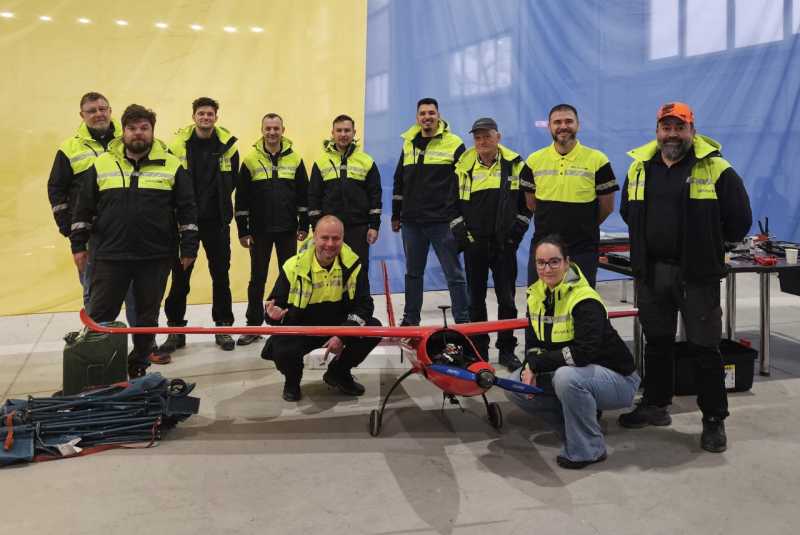
BraveX Aero, Romaero pave way for unmanned aerial system cooperation
The startup BraveX Aero and the company Romaero have concluded, as part of the Black Sea Defence & Aerospace (BSDA) 2026 trade show, a memorandum of understanding on the exploration of industrial and technological collaboration in the area of unmanned aerial systems and aerospace structures made of composite materials. According to a press release on Frida

Dan: Romania-Ukraine agreement on countering drones will be finalised in two to three months
A Romania-Ukraine agreement on countering drones will be finalised in two to three months, President Nicusor Dan said on Friday at a news conference. The collaboration of the two countries has two components, he added.
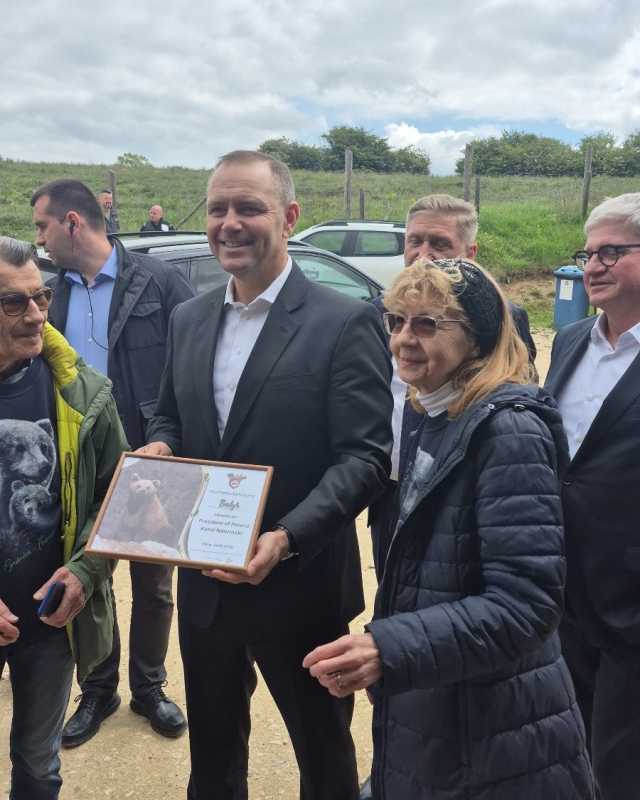
Polish President Nawrocki visits bear sanctuary in Zarnesti, symbolically adopts a bear
The President of Poland, Karol Nawrocki, visited Libearty Bear Sanctuary, where he symbolically adopted a bear, the 'Milioane de Prieteni'/'Million of Friends' Association, which manages the bear sanctuary, informs on Friday.
President Dan says consultations to focus on majority proposed for forming Gov't
Monday consultations at the Cotroceni Palace with parliamentary parties will start from the question of what majority they are proposing, whether a 'full', minority or technocratic Government, President Nicusor Dan said on Friday, mentioning that a pro-Western majority is needed. 'We will have talks on Monday, according to the Constitution. We will

President Nicusor Dan pays visit to BSDA exhibition with son Antim
President Nicusor Dan paid a visit to the Black Sea Defense, Aerospace and Security - BSDA exhibition on Friday together with his son Antim. They were welcomed by Defence Minister Radu Miruta and admired a replica of the European Champion Clubs' Cup won by Steaua in 1986. Nicusor Dan and his son then boarded an F-35 aircraft before continuin
Romania's energy production down 2.3% in Q1; imports down 4.1% and exports up 13.9%
Romania's energy production fell by 2.3% in the first three months of this year compared with the same period in 2025, while final electricity consumption decreased by 2.2%, according to the National Institute of Statistics (INS) data published on Friday. According to official statistics, between 1 January and 31 March 2026, primary energy resources fell b