

FEATURE/ Centuries-old manuscripts and rare books preserve Romania's cultural heritage in Targoviste
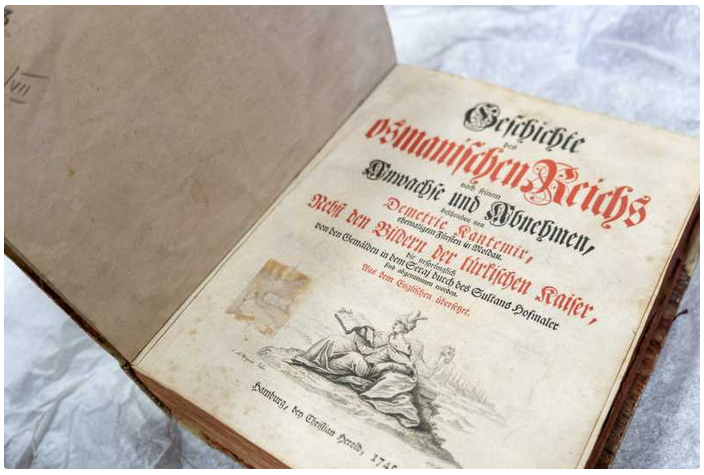
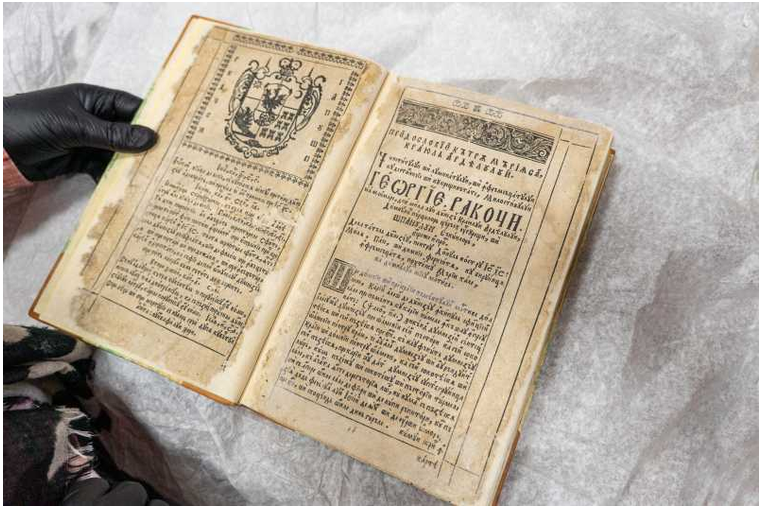
Manuscripts produced with a degree of painstaking care that is difficult to imagine today, books printed five centuries ago and volumes that travelled across several historical Romanian provinces are among the holdings of the Curtea Domneasca National Museum Complex in Targoviste.
Some are genuine rarities, and preserving them requires years of specialist work, meticulous restoration and strict conservation conditions.
Rare books and the stories hidden within their pages form part of Targoviste's early book heritage. These volumes trace the development of the Romanian language, printing and cultural exchanges between Wallachia, Moldavia and Transylvania.
At the Dambovita Writers' Museum, part of the Curtea Domneasca Museum Complex in Targoviste, curator Irina Cirstina explains the significance of its rare book collection.
'We are not in this place by chance. When we think of Targoviste, we think of the earliest printed books, of Macarie, going back to 1500, of Coresi, and of the printing centres at the Metropolitan Church and Dealu Monastery,' Irina Cirstina, a curator at the Curtea Domneasca Museum Complex, told AGERPRES.
The museum's collections contain volumes illustrating this development, from manuscripts dating to the first half of the 16th century to books printed during the reigns of Romanian rulers.
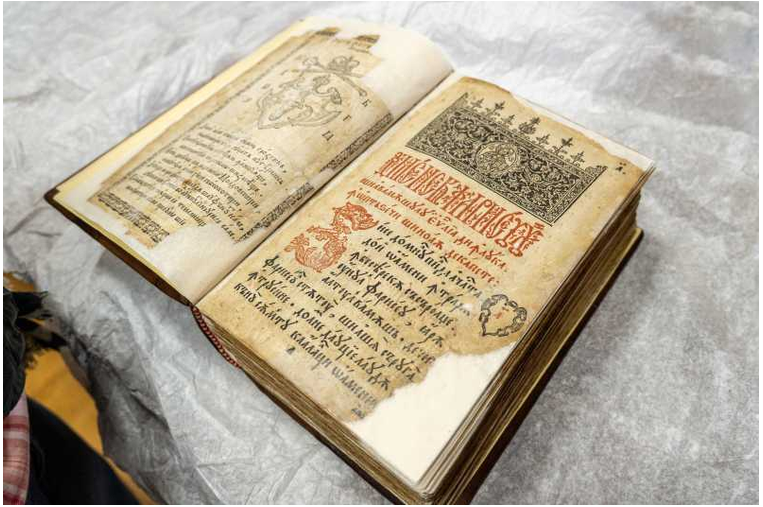
'These volumes may not look particularly spectacular to someone who is not especially interested in books, particularly old books written in a language they can barely understand. These volumes are not written in Romanian using the Latin alphabet. They are written in Romanian using the Cyrillic alphabet, and you need a certain amount of knowledge to decipher and understand them. But once you learn the alphabet, you realise how clearly Romanian was written in 1640, in 1700, during Brancoveanu's reign,' Cirstina explained.
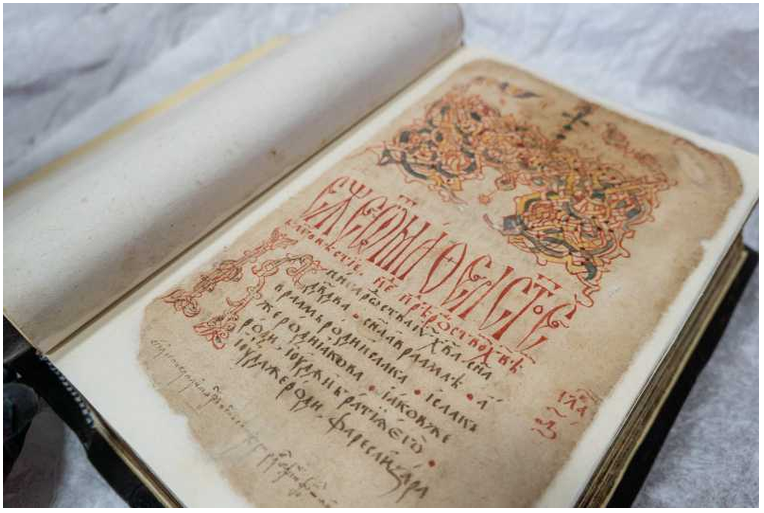
The oldest item in the museum's early book collection is a manuscript dating from between 1500 and 1550. Produced by an exceptionally skilled hand, it is remarkable for its calligraphy, red capital letters and borders decorated with floral and geometric motifs. Its pages are arranged with extraordinary precision, demonstrating the craftsmanship of those who produced such works at a time when paper and other necessary materials were difficult to obtain.
'It seems an incredible amount of work. How could they do this around 1500, when times were hardly favourable?' Cirstina said.
Another important period was the reign of Matei Basarab, when printing in Targoviste developed considerably.
'From Matei Basarab's time, we have 'Indreptarea legii'. It is a kind of legal code covering both religious and secular matters. What happened to counterfeiters? Their hands were cut off. What happened to thieves? So it was a code of laws, 'Indreptarea legii', from Matei Basarab's reign. We also have 'Evanghelia invatatoare', printed at Dealu Monastery in 1644. Moving on to Constantin Brancoveanu, with the help of Antim Ivireanul, Brancoveanu had several volumes printed. We also have a volume published in two columns on each page, in Romanian and Greek, the Greek-Romanian Gospel of 1693. Just think of the skill involved, because books were printed sheet by sheet in those days. The letters had to be arranged, and printing was not the mechanised process we imagine today, with hundreds or thousands of copies coming off the press. Copies were printed one at a time,' Cirstina explained.
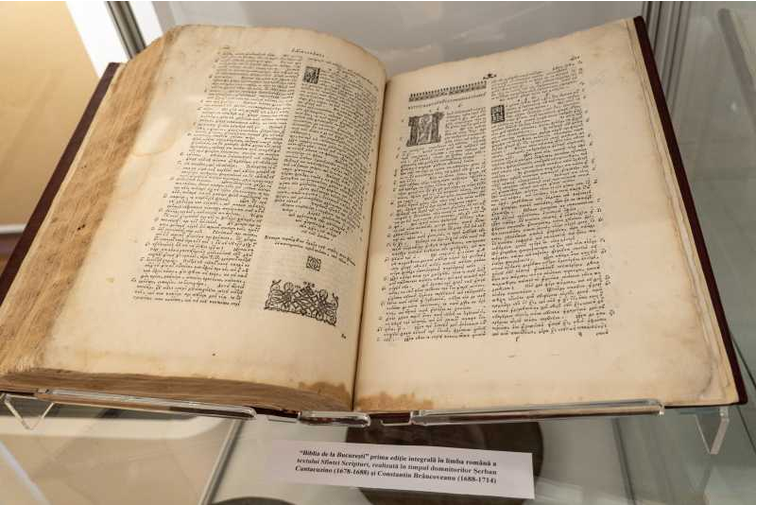
Another landmark is the 1688 Bucharest Bible, also known as the Bible of Serban Cantacuzino. A copy is preserved and displayed at the Dambovita Military Traditions Museum - Cavalry School, in the section dedicated to Constantin Brancoveanu.
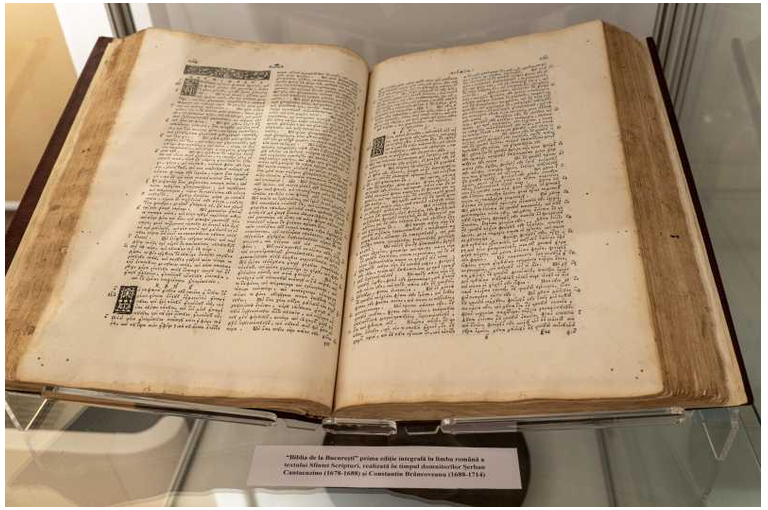
'Translating the Bible into Romanian required approximately ten years of work by the most learned people of the time, so that everyone could understand the Bible in Romanian. Who would undertake such work today? It is true that these copies are now rare and priceless. And if we were to put a price on them, because visitors often ask us, 'But how much does this object cost?', we would be talking about tens of thousands of euros, even hundreds of thousands of euros. That is what a single copy can be worth,' Cirstina said.
The Targoviste museum complex's collection also includes Varlaam's Cazania, printed in Iasi in 1643, a substantial volume containing hundreds of leaves and housed at the Museum of Printing and Old Romanian Books.
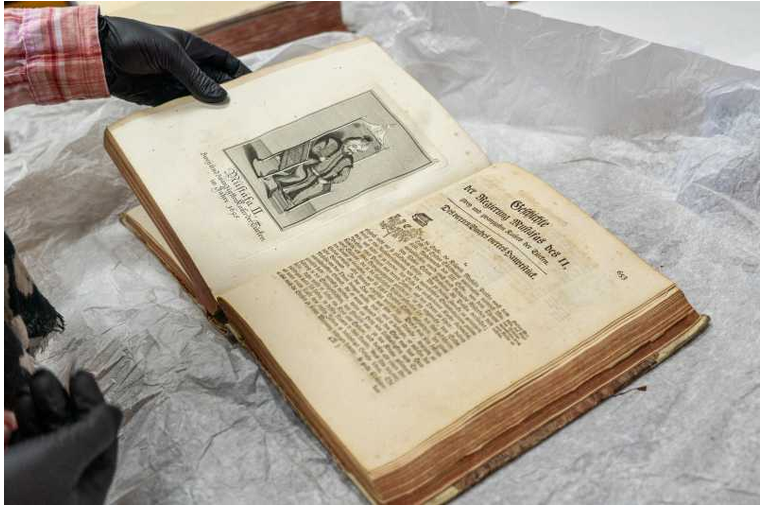
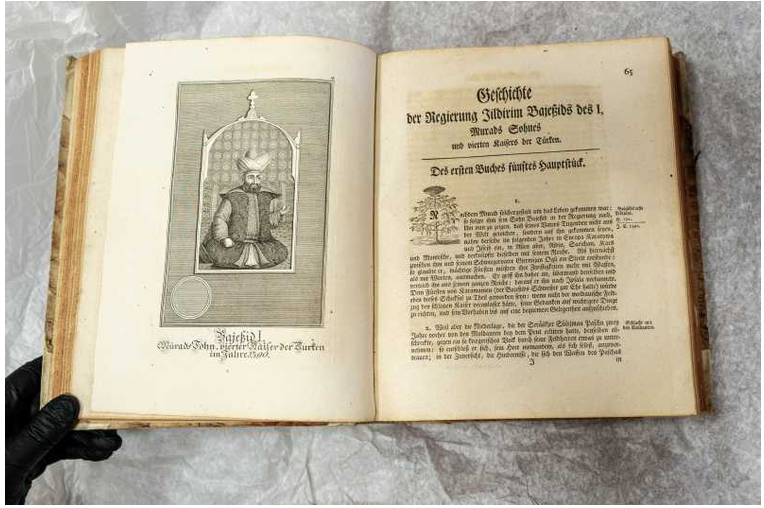
'We also have Cantemir. Cantemir wrote his History of the Ottoman Empire in Latin. And there is a copy in Targoviste, not from Cantemir's lifetime but from a slightly later edition printed in Hamburg in 1745. We have it with all the miniatures of the sultans, in absolutely impeccable condition. It seems miraculous that this book has never needed restoration, and we have a copy in the Museum of Printing. Then there are the precious book bindings, because, as I said, books are valuable for their contents and as objects. When they were presented as gifts by rulers, for example by Matei Basarab and Lady Elina, they were covered with something like an outer binding made of silver and precious stones, adding even more to their value. But these bindings also helped preserve them in the event of fires, invasions or natural disasters that might otherwise have damaged the volumes beyond repair. There is a wonderful story to discover at the Museum of Printing, and it is useful not only for children but for any adult to see the progression from parchment to handmade paper, printing paper and watermarks, and to understand what the art of writing really involved,' Cirstina said.
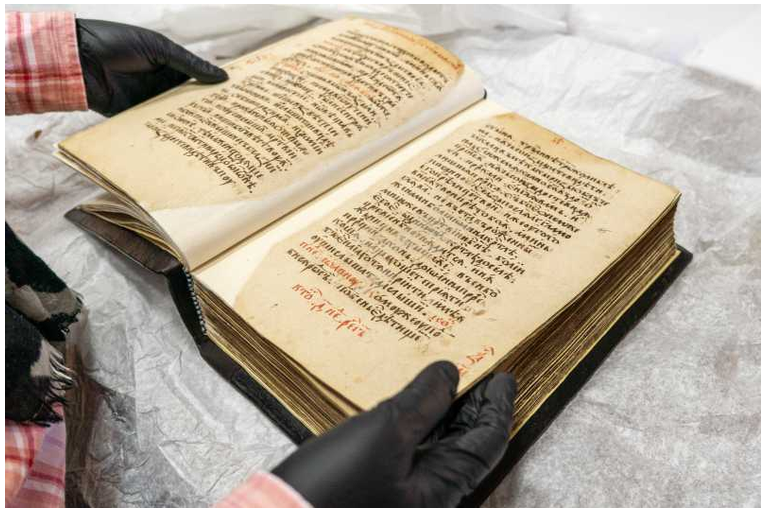
The early books are remarkable not only for their age but also for their rarity. Cirstina estimates that one of the manuscripts in the Targoviste collection may have only 10 to 20 comparable examples in Romania. Volumes of this kind can also be found in collections such as those of the Holy Synod Library, the National History Museum of Romania and the Romanian Academy Library.
Some books also preserve traces of the people who read or owned them. Notes written on their pages sometimes record events such as earthquakes, epidemics or political changes, turning the volumes into firsthand records of people's lives several centuries ago.
'That book is a witness from 300 years ago,' the curator said, explaining that such annotations provide information not always found in official documents.
Beyond the value of the exhibits themselves, their preservation involves complex restoration work that can take considerable time. A volume of approximately 200 pages may require an entire year of treatment, as each leaf must be cleaned, decontaminated and repaired, while the cover and binding must also be reinforced.
Restoration is not simply a matter of cleaning. It involves removing deposits accumulated over time, contaminants and traces left by repeated handling. Work on the book's structure is intended to prevent pages from becoming detached and the volume from losing its integrity.
One example is a 16th-century Tetraevangelion in the museum's collection, restored by Tatiana Balasescu, a specialist who has devoted considerable time to recovering old volumes. The repairs to its leaves are so skilfully executed that, in some cases, the difference between the original paper and the restored sections is barely perceptible.
Once restored, the books are wrapped in special filter paper and kept in individual boxes to protect them from factors that could accelerate their deterioration.
'The golden rule is to preserve them,' Cirstina explained, noting that the fragility of the paper makes it necessary to limit the periods during which original volumes are displayed to the public.
She also drew attention to the effort involved in producing books centuries ago. Paper was not available in large quantities, and a writing mistake could mean wasting an entire leaf. Handmade paper was produced from textile scraps processed into pulp and then dried. Later, watermarked paper was also used, including varieties imported from France.
Printing was equally demanding. Volumes were produced sheet by sheet, with letters arranged by hand, and each copy required considerable time, skill and financial resources from those who funded the printing presses.
For visitors, the Museum of Printing in Targoviste offers an opportunity to discover not only old books but also the stages in the development of writing and printing, from parchment and handmade paper to printing paper and watermarks.
'Their value is not monetary. Their value lies in the importance we attach to our own past,' Cirstina said, arguing that the volumes should be regarded as testimonies to history and cultural identity.
A selection of early books from the Curtea Domneasca Museum Complex in Targoviste was displayed between September and November in the exhibition 'Scriptorium - Tezaur de carte veche' at the Braunstein Palace in Iasi.
Cirstina said the volumes were selected not only for their value as historical objects but also for the message they convey about Romanian identity.
'These are books that tell us about ourselves, the Romanians. If we study these books, we discover the Romanian language of the 17th century, printed at great expense through the efforts of rulers such as Matei Basarab, Constantin Brancoveanu and Vasile Lupu. A very pure language, a form of Romanian that lies at the foundation of modern Romanian,' Cirstina said.
According to the curator, the fact that a book printed in Iasi could reach Targoviste or Transylvania and be understood by readers demonstrates the existence of strong linguistic and cultural ties between Romanians in the historical provinces long before their political unification.
'Even though these books were not campaigning for that, in effect, that is what they were doing,' she added.
Through the manuscripts, printed works and restored volumes preserved in its collections, the Curtea Domneasca Museum Complex in Targoviste safeguards an important part of the history of Romanian books and the efforts of generations who helped transmit the Romanian language and culture through the centuries. AGERPRES (RO - writing by: Cornelia Dumitru; EN - writing by: Simona Iacob)
The content of the www.agerpres.ro website has the exclusive purpose of public informing.
All the information published on this website by AGERPRES is protected by relevant legal dispositions.
It is forbidden to copy, reproduce, recompile, decompile, distribute, publish, display, modify, create derived components or products or full services, as well as any exploitation of the site's content.
Details in the section Terms of Use. If you are interested in picking up AGERPRES news items, please contact the Marketing Department – marketing@agerpres.ro.
The use of the Comments section entails your obligation to respect the AGERPRES terms and conditions in regards to the publishing of comments on the www.agerpres.ro.
Other news in category

David Popovici targets 2027 100m freestyle world record to join swimming's all-time greats
Star swimmer David Popovici said on Friday, ahead of the Dinamo Sports Gala held at the National Opera House, that his goal for 2027 is to reclaim the world record in the 100m freestyle, which could place him among the greatest swimmers in history. 'I would like to get back the world record in the 100m freestyle, because lately I've realised that, OK,

Russia lodges protest with Romanian ambassador over visa refusal to taekwondo team
Romania's ambassador in Moscow, Cristian Istrate, was summoned to the Russian Foreign Ministry on Friday, where he was handed a formal note of protest over Bucharest's refusal to grant visas to the Russian athletes seeking to compete in the European Taekwondo Cadet Championships, TASS reports. 'We lodged a strong protest with Romania over its unexp
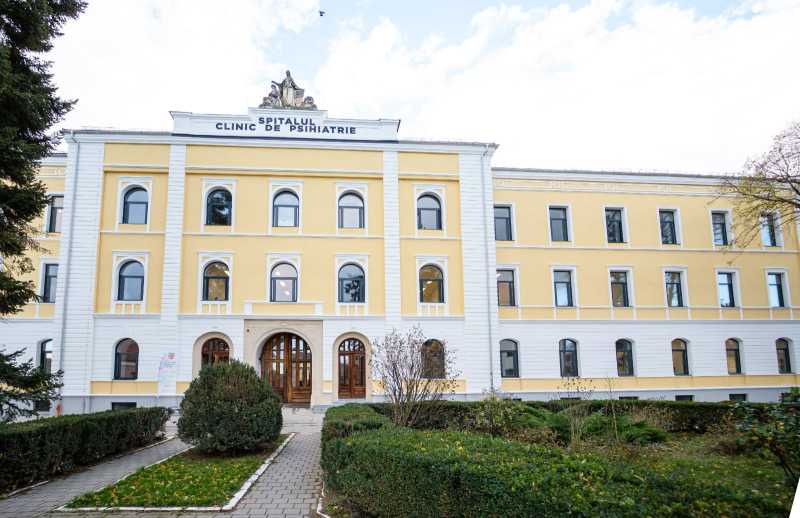
People with mental illness still marginalised in Romania, psychiatric hospitals association president says
People with mental illness continue to face marginalisation in Romania, where society prefers to ignore them, Lucian Paziuc, president of the Association of Public Psychiatric Hospitals in Romania (ASPP), said on Friday in Sibiu, praising the county's investment in mental healthcare as an example for other local authorities. 'Unfortunately, in Romania,

Romania releases EXCELY project on EUR 30 million investment in personalised medicine
The Carol Davila University of Medicine and Pharmacy in Bucharest, as coordinator, and the Institute for Research and Development in Genomics, a national partner, have announced the official release of the EXCELY project, a strategic research and innovation initiative in the field of personalised medicine, funded through the European Horizon Europe programme, WIDERA - Teamin

ASF's Avramescu: We will initiate discussions on a new capital market strategy
The Financial Supervisory Authority (ASF) will initiate debates on drawing up a new capital market strategy aimed at modernising and simplifying the regulatory framework, as well as adopting new technologies, ASF First Vice-President Gabriel-Ioan Avramescu said on Friday at the event marking the launch of the Bucharest Stock Exchange (BVB) Growth Market. '
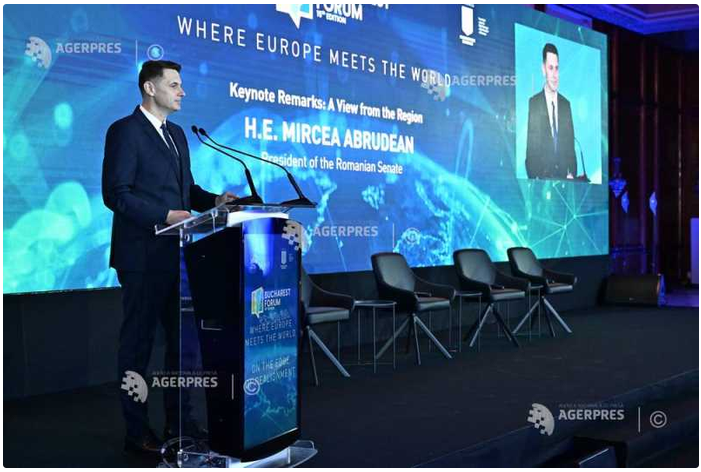
Cybersecurity is no longer just a simple IT technical issue; it is a legislative imperative (senator)
Senate Chairman Mircea Abrudean on Friday said that cybersecurity is no longer just a technical issue, but has become a 'legislative imperative,' as the region is targeted by sophisticated cyberattacks affecting public administration, energy infrastructure, financial institutions, and electoral processes. 'As chairman of the Romanian Senate, I view

Iasi 'Luceafarul' Theatre actors to perform 'The Selfish Giant' in Dublin, on Romania's National Day
Actors from the 'Luceafarul' Theatre for Children and Young People in Iasi will take to the stage at the Axis Ballymun Arts Centre in Dublin on Sunday to perform 'The Selfish Giant' as part of the events dedicated to Romania's National Day. Luceafarul Theatre Manager Oltita Cintec said the production was inspired by the story written by Osc
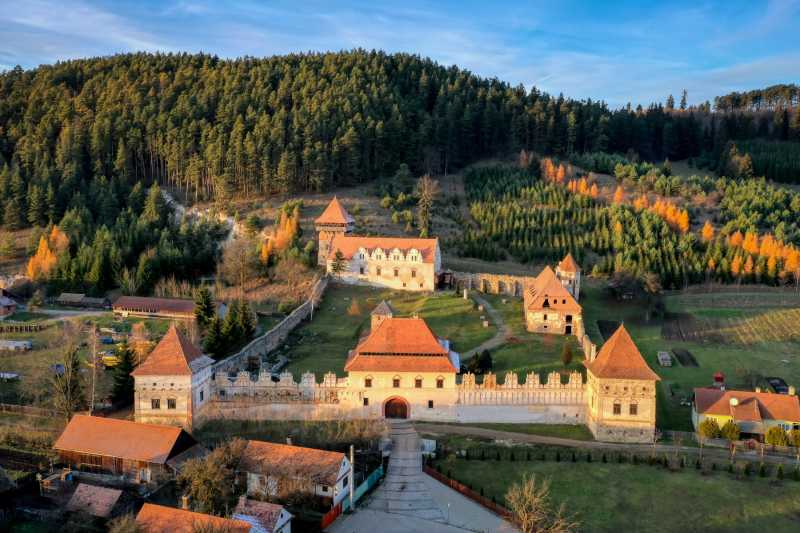
Harghita county among world's 20 recommended destinations for 2027 (Visit Harghita)
The Harghita Community Development Association (Visit Harghita) release informed on Friday that BBC Travel had published a selection of 20 recommended tourist destinations for 2027, which also includes Harghita county. The international selection features regions from around the world that deserve travellers' attention in the coming year for their cultural
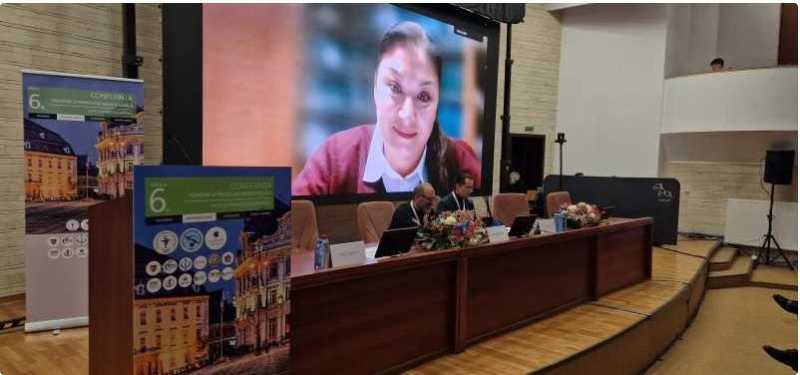
AGERPRES Director General Claudia Nicolae warns about disinformation: Risk is we believe nothing anymore
Claudia Nicolae, Director General of the national news agency AGERPRES, warned on Thursday, at the Conference on Psychiatry and Forensic Psychology in Sibiu, that the spread of fakes created using artificial intelligence could lead the public to question even authentic information. Claudia Nicolae showed participants four photographs, asking them to determine

President Dan:Europe must be at negotiating table on Ukraine war; Romania plans funding increase for Ukraine
President Nicusor Dan said on Thursday, following the Coalition of the Willing meeting in Berlin, that Europe must have a seat at the negotiating table, stressing that the outcome of the peace process must not be a weakened Ukraine or a weakened Europe. 'Discussions naturally focused on the ongoing negotiations concerning the war in Ukraine. Our position,

Niculescu Gov't stifles small entrepreneurs while protecting interests of the powerful (AUR's Simion)
The Niculescu Government favors major economic interests, while Romanian entrepreneurs are burdened by taxes, levies, and stifling regulations, states AUR president George Simion. The AUR leader criticizes the decision to eliminate the turnover-based tax for certain companies and announces that his party has prepared legislative initiatives aimed at reducing t
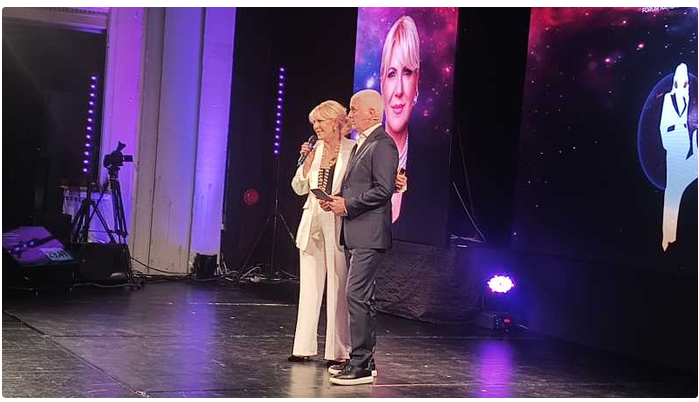
CONAF president Cristina Chiriac: Part-time employment taxation - one of the business community's main concerns
Part-time employment taxation is one of the main concerns of the business community and a major obstacle to bringing homemakers back into the workforce, Cristina Chiriac, founding president of the National Confederation for Women's Entrepreneurship (CONAF), said on Thursday in Arad, where CONAF organised the National Forum 'Entrepreneurship by Vocation', marking
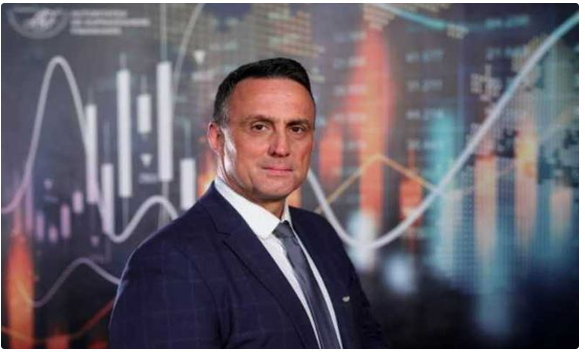
ISF president: Romania closes income gap with EU, yet many households remain financially vulnerable
Romania's GDP per capita adjusted for purchasing power rose from about 44% of the European Union average in 2007 to around 78% in 2025, but the country's economic convergence has not translated into equivalent financial security for many citizens, according to Valentin Ionescu, president of the Financial Studies Institute (ISF). Speaking at the 12th IS

GTA VI, celebrity voice actors take centre stage at Bucharest Gaming Week
The tenth edition of Bucharest Gaming Week, Romania's largest event of its kind, will take place on November 21 and 22 at Romexpo exhibition centre. According to a press release sent to AGERPRES on Thursday, visitors will have access to more than 50 stands and interactive areas over the two days, featuring hundreds of games and challenges, competitions, me