

Finance Ministry: Budget revision keeps 2026 budget deficit target at 6.2 pct of GDP

Romania's government will maintain its 2026 cash budget deficit target at 6.2% of Gross Domestic Product (GDP) under the year's first budget revision, despite lower-than-expected revenues, the Ministry of Finance announced on Thursday.
The draft emergency ordinance on the first 2026 state budget revision has been published for public consultation and reallocates resources based on budget execution during the first nine months of the year and funding needs through year-end. The Ministry said the revision secures financing for healthcare services and medicines, salaries and social expenditures while remaining within the approved spending ceiling and deficit target.
The revision is based on the Report on the Economic and Budgetary Situation for the first half of the year and on consolidated general government budget execution for the first nine months of 2026, which showed a deficit of 3.81% of GDP, compared with 5.31% of GDP in the same period of 2025.
The nominal GDP estimate used in the revision was updated to RON 2,086.3 billion, based on the latest data from the National Institute of Statistics.
In nominal terms, the consolidated general government deficit will increase by RON 3.5 billion to RON 130.3 billion, while remaining unchanged at 6.2% of GDP.
According to the Finance Ministry, consolidated budget revenues have been revised down by a net 4.7 billion lei, while expenditures have been cut by a net RON 1.2 billion.
Revenue projections were updated on the basis of actual collections during the first nine months of the year. Higher-than-planned receipts were recorded from value-added tax (VAT), which brought in an additional RON 7.18 billion, including RON 2.81 billion earmarked for local budgets. Collections from personal income tax exceeded projections by RON 2.03 billion, corporate income tax by RON 1.19 billion, dividend tax paid by legal entities by RON 0.95 billion, while taxes specific to the banking and energy sectors, including the solidarity contribution, generated an additional RON 1.71 billion.
These gains were offset by weaker collections from excise duties, down RON 3.68 billion, partly due to the reduction of diesel excise taxes. Revenues from gambling taxes were RON 0.75 billion below target, non-tax revenues were lower by RON 1.87 billion, and reimbursements from the European Union for expenditures already incurred were down by RON 4.58 billion, reflecting the implementation pace of projects financed from European funds.
On the expenditure side, additional allocations will cover obligations due by the end of the year, including RON 3.5 billion for interest payments on public debt, RON 3.47 billion in transfers to the state social insurance budget, RON 0.72 billion for social assistance and additional financing for personnel expenses.
The increased spending is financed through reallocations from appropriations expected to remain unused this year. These include RON 5.24 billion less for projects financed by non-reimbursable external funds, including RON 4.99 billion from a reserve held by the Finance Ministry for projects facing temporary shortages of European funding, as well as reductions in subsidies totaling RON 1.14 billion and cuts to other transfer and capital expenditure items.
The revision also applies the mechanism stipulated by Public Finance Law No. 500/2002, under which 10% of appropriations approved in the budget law were retained by principal spending authorities and could not be committed during the first half of the year.
According to the Ministry, retained funds are now being released where justified needs have been demonstrated, primarily in healthcare, and reduced where budget execution indicates they will not be required.
The total reduction in retained appropriations exceeds RON 3 billion. The largest cuts affect the Ministry of Development, Public Works and Administration, which loses RON 1.09 billion, followed by the Ministry of Transport and Infrastructure with RON 0.56 billion, the Ministry of Agriculture and Rural Development with RON 0.49 billion, the Ministry of Education and Research with RON 0.28 billion, and the Ministry of Energy with RON 0.25 billion.
Healthcare receives the largest net increase under the revision.
The budget of the National Health Insurance Fund will rise by RON 3.22 billion in both commitment and payment appropriations. Of that amount, RON 3.20 billion will finance medicines, medical supplies, health services, national healthcare programmes and hospital service reimbursements, while also supporting salary rights for public healthcare staff.
In addition, approximately RON 3.9 billion of previously retained appropriations will be made available to the National Health Insurance House (CNAS). The ceiling for cost-volume and cost-volume-result contracts that CNAS may conclude has been set at RON 9.1 billion.
The Ministry of Health will receive supplementary allocations of RON 774 million. These include RON 183 million for salary rights at county ambulance services, RON 200 million for emergency reception units and SMURD departments operating within hospitals run by local authorities, and RON 391 million for priority healthcare actions and national health programmes in hospitals under the ministry's authority.
The ministry will also gain access to approximately RON 500 million of the amounts retained earlier in the year. However, because of the low implementation rate of projects financed through non-reimbursable external funds, spending on those projects will be cut by RON 700 million. On a net basis, the Ministry of Health's budget will increase by RON 72 million.
State budget transfers to the state social insurance budget will be increased by RON 3.47 billion in order to balance the pension system through year-end. As a result, the budget of the Ministry of Labour, Family, Youth and Social Solidarity will register a net increase of RON 3.32 billion.
The Ministry of Internal the Interior will receive RON 563 million for December 2026 pension payments and a further RON 68.6 million to cover the recruitment of graduates from the Police Academy.
The revision also allocates additional resources to local governments, including financing for personal assistants of people with severe disabilities and related allowances, child protection services, centres for adults with disabilities, residential homes for elderly persons and the School Programme of Romania.
Revenue-sharing allocations from VAT to local budgets will increase by a net RON 2.808 billion.
Of this amount, RON 280.1 million is earmarked for county-level decentralised expenditures, including RON 124.2 million for the School Programme of Romania during September-December 2026, RON 86.3 million for child protection services, RON 57.7 million for centres serving adults with disabilities, RON 12.8 million for elderly care homes, RON 5.1 million for special education institutions and RON 0.4 million for the enforcement of court rulings.
A further RON 237.1 million is allocated to decentralised expenditures at the level of communes, towns, municipalities and Bucharest, including RON 106.6 million for assistants of people with severe disabilities, RON 83.9 million for basic financing of state pre-university education, RON 53.5 million for elderly care and home-care services, and additional support for disability and child-protection programmes.
An additional RON 2.2575 billion will be used to balance local budgets, including RON 257.5 million generated through the fiscal equalisation mechanism and RON 2 billion earmarked for the settlement of overdue payments. Another RON 33.7 million will support accredited private and denominational pre-university education, including the enforcement of court judgments by Arad County.
The Finance Ministry said the RON 2 billion allocated for overdue payments will operate as a compensation mechanism involving local authorities, economic operators and the state budget. Resources will be distributed to counties and localities to clear arrears and overdue obligations recorded as of Sept. 30, 2026.
Applications for the programme may be submitted until Nov. 25, 2026, while allocated but unused funds will be withdrawn after Dec. 21, 2026.
The consolidated general government investment budget will increase by RON 0.9 billion to RON 170.1 billion, equivalent to 8.2% of GDP and RON 4.9 billion above the level initially approved in the budget law.
The increase is primarily targeted at projects financed through Romania's National Recovery and Resilience Plan (PNRR) and other European-funded investments. Funding for loan-financed PNRR projects will rise by RON 2 billion, including RON 746 million held in reserve by the Finance Ministry for redistribution based on implementation progress. Capital expenditure will increase by RON 1.2 billion.
The Ministry of Agriculture and Rural Development will receive an additional RON 1.47 billion for projects financed through non-reimbursable external funds.
At the same time, appropriations linked to the grant component of the NRRP and other non-reimbursable external funding programmes will be adjusted downward by a combined RON 2.3 billion to reflect implementation progress, without affecting projects already under way.
The Ministry said the revision also introduces mechanisms intended to accelerate project completion, allowing spending authorities to transfer unused appropriations between different categories of European-funded programmes, including the 2014-2020 and 2021-2027 financial frameworks, the Modernisation Fund and loan-financed programmes.
In addition, the Finance Ministry will be allowed to redistribute commitment and budget appropriations between spending authorities and between European-funded and PNRR projects, within approved limits. The flexibility also extends to projects financed through the SAFE Instrument, for which RON 6.37 billion is allocated in 2026.
The Ministry stressed that the revision addresses urgent obligations for the final months of the year, including medicines and medical services, pensions, wages, social benefits, interest payments and overdue liabilities, while financing them entirely from savings identified during budget execution and within the approved spending envelope.
'No new expenditures are being committed without a financing source. Existing commitments undertaken by principal spending authorities - ongoing contracts, European-funded projects and legal payment obligations - are being honoured, and commitment appropriations are aligned with budget appropriations so that payments due in future years are backed by real resources,' the Ministry said.
The Finance Ministry added that requests submitted by spending authorities that are not urgent for 2026 and require additional analysis will be discussed in the coming period as part of ongoing consultations with each institution.
The draft emergency ordinance has been sent to the Fiscal Council for its opinion and will also be discussed in the Social Dialogue Commission and consulted with associations representing local authorities before being submitted to the government for approval. AGERPRES (RO - writing by: Mariana Nica; EN - writing by: Simona Klodnischi)
The content of the www.agerpres.ro website has the exclusive purpose of public informing.
All the information published on this website by AGERPRES is protected by relevant legal dispositions.
It is forbidden to copy, reproduce, recompile, decompile, distribute, publish, display, modify, create derived components or products or full services, as well as any exploitation of the site's content.
Details in the section Terms of Use. If you are interested in picking up AGERPRES news items, please contact the Marketing Department – marketing@agerpres.ro.
The use of the Comments section entails your obligation to respect the AGERPRES terms and conditions in regards to the publishing of comments on the www.agerpres.ro.
Other news in category
National Commission for Prognosis revises forecast for 2026: Romania's economy is projected to decline by 0.4%
The National Commission for Strategy and Prognosis (CNSP) estimates an economic contraction of 0.4% for 2026, compared to the 0.1% growth anticipated in the previous forecast, which is a downward revision of 0.5 percentage points. As for the nominal value of the GDP, it has been revised upward to 2,086.3 billion lei, compared to 2,056 billion lei in the spring

PM Luca Niculescu, NATO SecGen Rutte discuss Black Sea security, hybrid threats
Prime Minister Luca Niculescu on Wednesday spoke over the phone with NATO Secretary General Mark Rutte about the deteriorating security situation in the Black Sea and the growing hybrid threats facing NATO Allies on the eastern flank. 'Had a substantive phone conversation with NATO Secretary General Mark Rutte. I expressed my appreciation for his continued
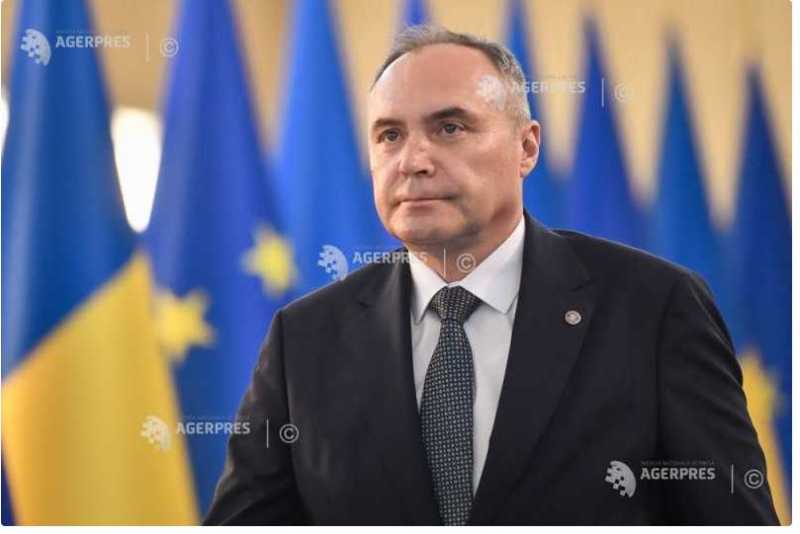
EnergyMin Chisalita discusses with Moldovan counterpart on strengthening bilateral cooperation in energy sector
Minister of Energy Dumitru Chisalita and his counterpart from the Republic of Moldova, Dorin Junghietu, held discussions aimed at strengthening bilateral cooperation in the energy sector, on the sidelines of the Energy Council meeting held in Luxembourg on October 29, 2026, according to a press release from the Ministry of Energy. The dialogue highlighted Roma

Nuclearelectrica GSM approves taking out EUR 800 million loan to refurbishment of nuclear unit
An Extraordinary General Meeting of Shareholders of the National Corporation Nuclearelectrica approved, on Thursday, with over 99.8% of the votes, SNN taking out a loan of EUR 800 million from the European Investment Bank (EIB) for the refurbishment of Unit 1 of the Cernavoda nuclear-power plant, the Ministry of Energy has reported. 'Today, October 29, 202

Investitures at the Royal Palace: Apostolic Nuncio receives 'Nihil Sine Deo' decoration
A royal investiture ceremony took place on Thursday afternoon in the Throne Hall of the Royal Palace, during which the Apostolic Nuncio, Archbishop Giampiero Gloder, AGERPRES Director General Claudia Nicolae, and the Chancellor of the Household of Her Majesty, Traian Sarca, were decorated. The ceremony was attended by Her Majesty Margareta, Custodian of the Cr

Rogobete on World Stroke Day: 50 healthcare facilities provide intravenous fibrinolysis under national programme
Health Minister Alexandru Rogobete, said on Thursday, October 29, World Stroke Day, that Romania's national programme of priority actions for the interventional treatment of patients with acute stroke (AP-Stroke) has been developed in recent years, with the network including healthcare units that provide several types of specialised interventions. Accordin
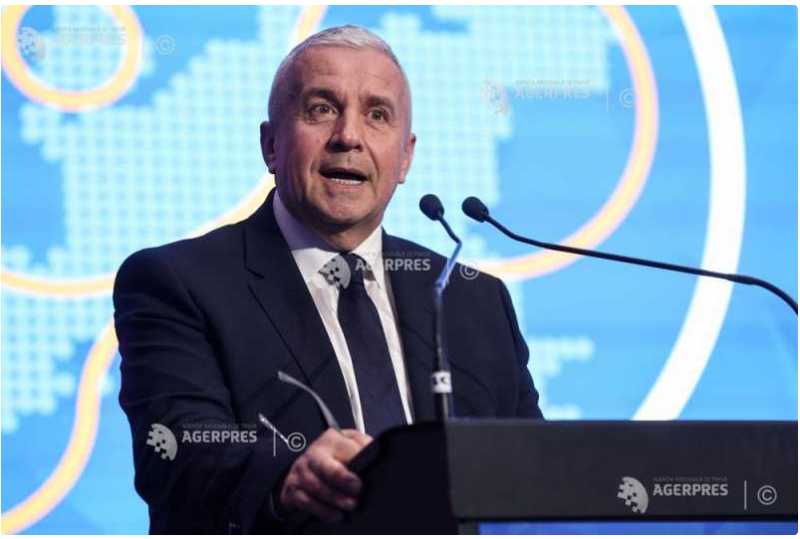
FSCE2026/Daniel Buda: Not investing in energy security is like building a house without installing any doors
The energy security component is crucial; without investments in this area, it is akin to building a house without installing doors, leaving it open for anyone to enter, Daniel Buda, a Member of the European Parliament, said on Thursday. 'I would like to start with an analogy. How important are investments in energy security and beyond? Without them, it is
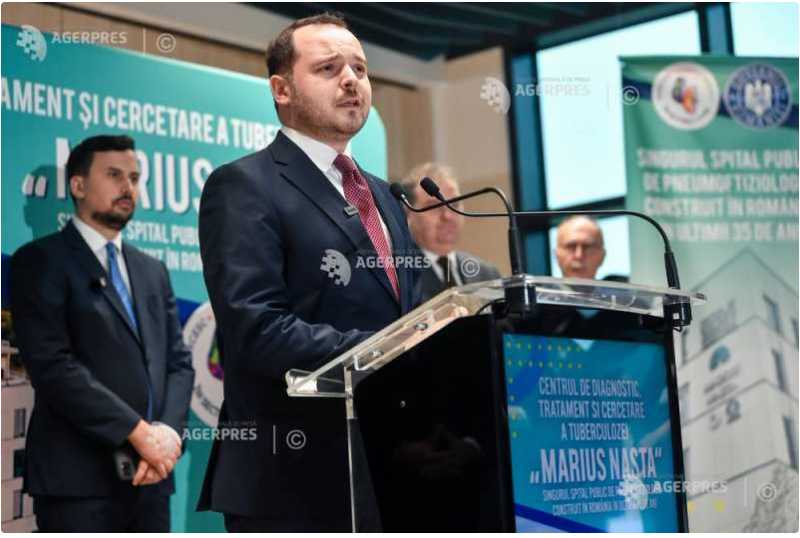
Steps for building new burn centre in Bucharest could start next year (minister)
Health Minister Alexandru Rogobete has said that steps for the construction of a new centre for patients with severe burns in Bucharest could start next year, inisting on the need to develop medical infrastructure to treat patients with severe burns.
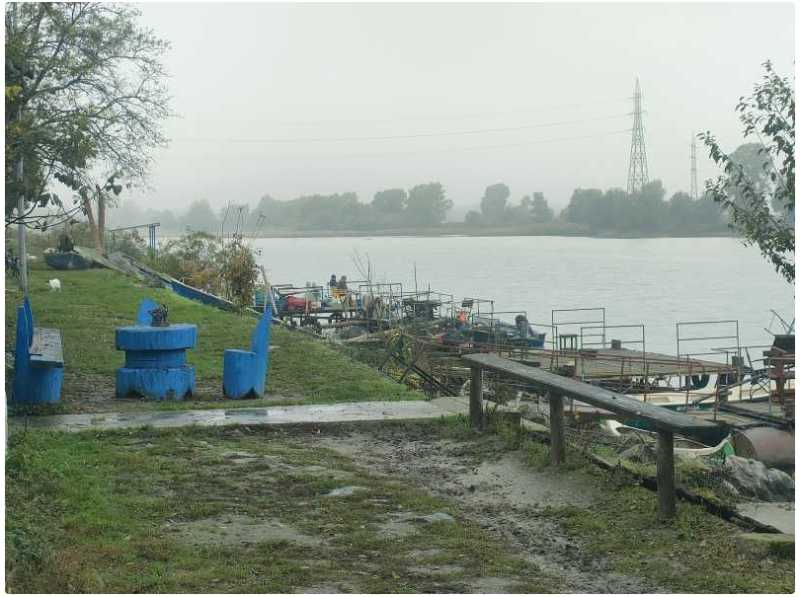
FEATURE Tulcea: Local gastronomy outlets complain of outdated legislation
The failure to harmonise Romanian legislation with European regulations is the main problem affecting local gastronomy outlets (PGLs), according to the Ivan Patzaichin-Mila 23 Association (IP-M23), which will submit a memorandum outlining proposed legislative improvements to national authorities following discussions held on Wednesday in the Danube Delta village of Mila 23.
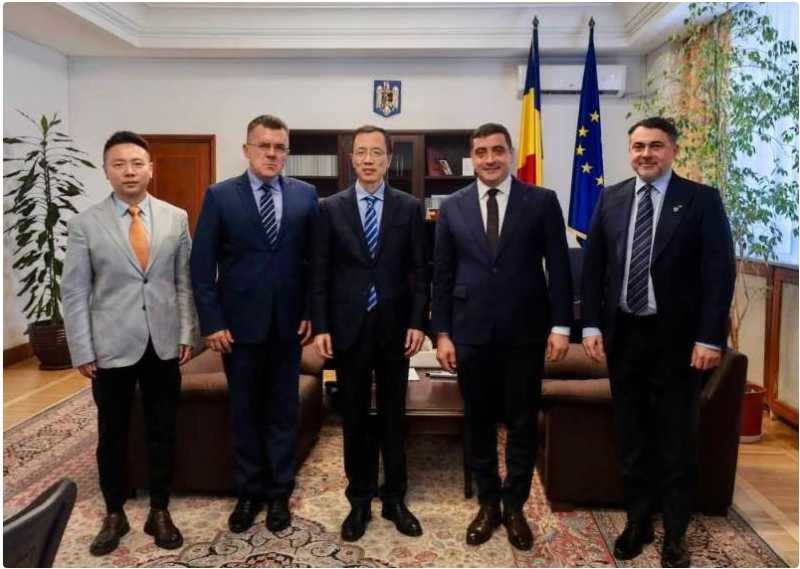
AUR:Meetings with ambassadors and Czech Foreign Minister;discussions on bilateral relations and 'state of democracy' in Romania
The leadership of the Alliance for the Union of Romanians (AUR) has announced that, over the past few weeks, it held a series of meetings with ambassadors as well as with the Czech Foreign Minister; the discussions focused on bilateral relations with the respective states, as well as on the political and institutional situation in our country, including the 'state of dem
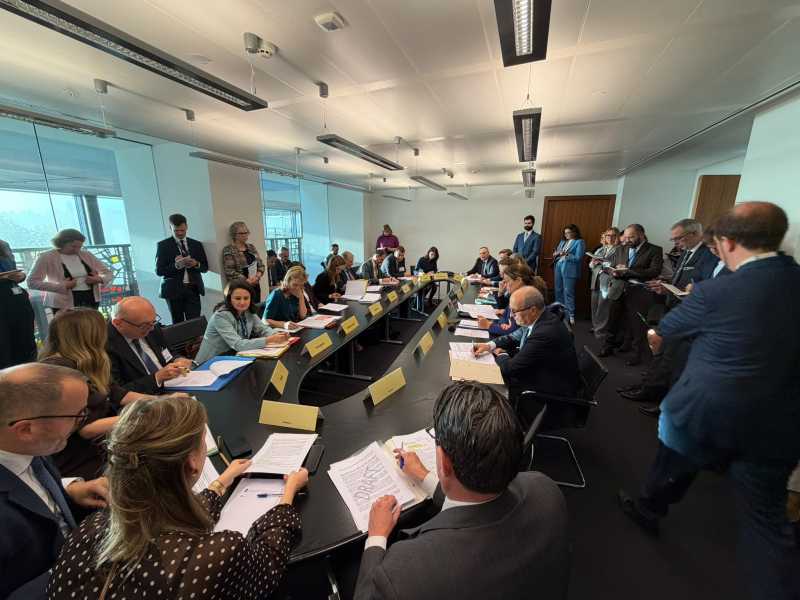
Romania supports acknowledging role of nuclear energy future European energy framework (minister)
Romania supports acknowledging the role of nuclear energy in the future European energy framework and there is a need for predictable rules and effective access to finance for investments that ensure clean energy, permanently available and at competitive costs for the population and industry, said the Minister of Energy, Dumitru Chisalita, on the sidelines of a ministerial m
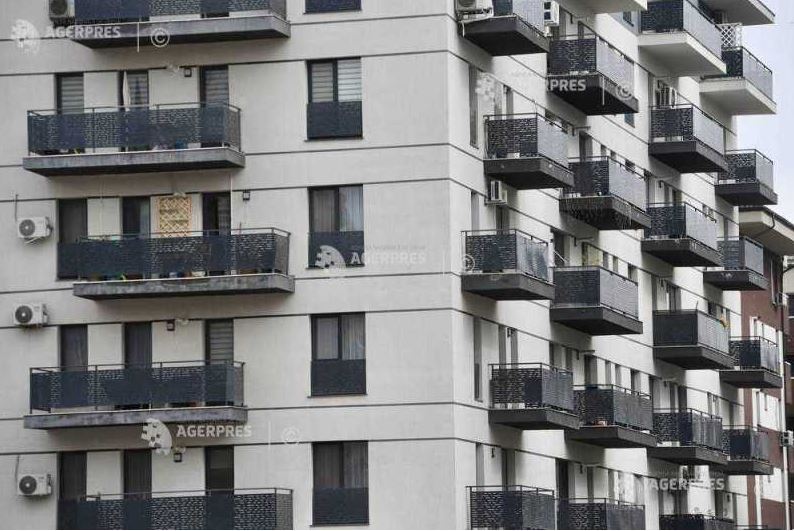
Apartment prices in Romania register 5pct increase on average in 2026 (analysis)
An apartment in Romania costs an average of 114,900 euro, almost 5% more than a year ago, while buying a house requires an average budget of 170,000 euro, according to an analysis published on Thursday by a real estate platform. According to data compiled by Imobiliare.ro, although Cluj-Napoca, Bucharest and Brasov top the ranking of cities where buyers have t

Research resumed under Gumelnita archaeological campaign
Archaeologists resumed this week research under the Gumelnita archaeological campaign, carrying out new investigations in human communities from about 18,000 years ago, the Gumelnita Civilization Museum at Oltenita, Calarasi County, reported on Thursday. Thus, an interdisciplinary team of researchers and students is carrying out, between October 26-30, 2026, a

Prosecutor General participates in Forum of Prosecutors General of Balkan States in Türkiye
Prosecutor General Cristina Chiriac participated in a forum of Balkan chief prosecutors in Türkiye, where discussions focused on cross-border cooperation, particularly in combating terrorist financing and money laundering. According to a press release from the Prosecutor General's Office, the fifth Forum of Prosecutors General of the Balkan States, he