

INTERVIEW/Commissioner Magnus Brunner: With Romania, Bulgaria in Schengen - open road created from Atlantic to Black Sea
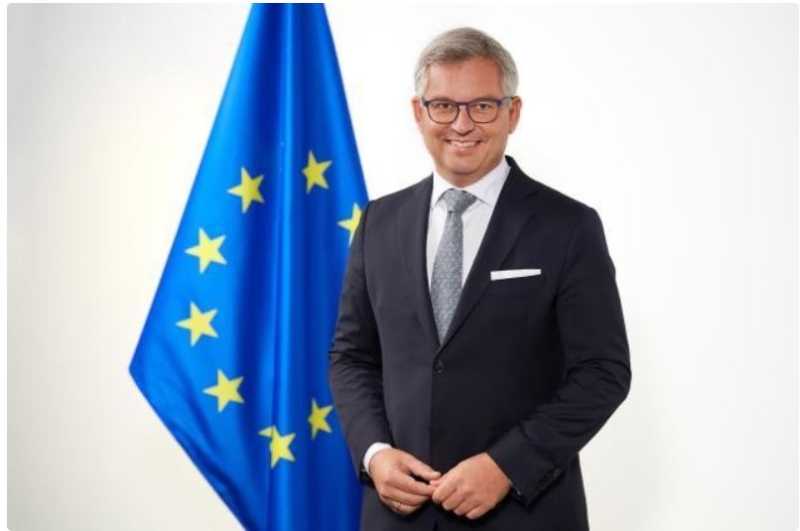
Brussels, Oct 19 /Agerpres/ - With the full accession of Romania and Bulgaria to the Schengen Area on January 1, 2025, we have created an open route from the Atlantic to the Black Sea, European Commissioner for Home Affairs and Migration Magnus Brunner told AGERPRES in an interview.
Among the benefits of Romania's joining the border-free zone, the European official mentions the perspective of an approximately 2 percent annual GDP growth, due to the removal of border controls for road transport.
Brunner, who is set to visit Bucharest on Monday, said that the Commission is currently carrying out the first Schengen evaluation of Romania, looking at areas like visa policy and external border management.
The EU's top official for migration and internal affairs also referred to the recently launched European Entry/Exit System (EES), which he called the digital backbone of the new European border management system, and whose full implementation is due by April 2026, including at Romania's border checkpoints.
Speaking about the Schengen temporary internal border controls, Brunner detailed the EU's efforts to balance free movement with security needs. Other topics covered in the interview include the implementation of the challenges of the Migration and Asylum Pact, and new proposals for migrant returns.
AGERPRES: Romania fully joined the Schengen area at the beginning of this year, with a number of initial conditions. Has the European Commission so far had any assessment of how Romania has respected its obligations as a full Schengen member?
Magnus Brunner: Schengen is one of the EU's most tangible achievements. It touches the lives of over 450 million Europeans - in concrete ways, boosting tourism, making goods cheaper and opening doors for work and study. But also in more intangible ways. When Schengen began 40 years ago, it marked a new era of openness in Europe. And with the full accession of Romania and Bulgaria on January 1, 2025, we have created an open road from the Atlantic to the Black Sea. By removing border controls for road transport, Romania is expected to see a 2% increase in GDP annually - that's a big boost to the economy.
We need to ensure that we protect this common area of free movement. Romania worked very hard to meet the criteria for accession. Romania has developed a strong national Schengen governance system, and that work continues now that controls are lifted. At the moment, the Commission is carrying out the first Schengen evaluation of Romania, where we look at areas like visa policy and external border management. I will not pre-judge the results but I hear the assessment is going very well.
AGERPRES: Do you consider that the European funds allocated to Romania for border management have been used efficiently, and do you consider supplementing them in the context of new security challenges?
Magnus Brunner: The protection of our external borders is a challenging task. We have seen that we have faced new threats along the Eastern border, especially from Belarus and Russia. Romania has about 1700 km of external borders with Ukraine, Moldova and Serbia. At the same time, we have seen a 22% decrease in illegal border crossings from Türkiye, which of course also reduces the pressure to Romania.
We have provided over EUR 220 million to Romania for border security in the 2021-2027 period. These funds have been used efficiently — strengthening surveillance, training, and infrastructure along Romania's external borders. In view of new security challenges, the Commission is ready to step up support through additional funding and Frontex assistance, if needed. With the next long-term EU budget, we have also proposed to triple funding in the areas of internal security and migration.
AGERPRES: Several countries in the Schengen area maintain temporary border controls between them, and some have strengthened them, such as Denmark on its border with Germany. Does this situation affect the functionality of the Schengen area and can measures be taken to remedy it, or is it a prospect we should get used to?
Magnus Brunner: EU law allows Member States to introduce border controls when needed to protect public policy and security, as long as they are temporary and well-coordinated between Member States. With a reduction of illegal border crossings, the introduction of the new Pact on Migration and Asylum and the coming on stream of new, state-of-the-art border management systems at our external borders, the conditions are being put in place to allow a gradual exit from internal border controls.
We are focusing on three main areas.
First, we are strengthening our external borders. And with last week's successful launch of the new Entry-Exit System, we are putting in place one of the most modern IT systems for external border management. And we are significantly boosting the resources of Frontex to assist EU countries operationally in border management.
Second, we are fixing the problems in the EU's migration management system. This means bringing our own European house in order. With the reform of our system, we will have more efficient asylum procedures, better cooperation between Member States and a functioning system of returns. If we can deliver on this, we will achieve a remarkable shift in migration policy, which will benefit the Schengen area.
Third is internal security. Whether we are talking about terrorism, global criminal networks or state-sponsored hybrid attacks, today's threats move across Schengen borders - and in fact across all borders. Which means we must have cross-border responses, as well. With our new internal security strategy, ProtectEU, we strive to make Europol more operational to better support national authorities. We are working towards improving access to data for law enforcement. And most of all: we must change our mindset, to anticipate and counter threats early on.
AGERPRES: The Entry/Exit system was launched on 12 October and is to be gradually implemented by April 2026, including at border checkpoints in Romania. What are the main challenges of this transition and how will the European Commission support Member States to ensure it is applied evenly, both technically and operationally?
Magnus Brunner: Last Sunday, we launched the EES successfully across all 29 Schengen Member States. And every Member State is registering entries and exits of third country nationals since Sunday. Almost a quarter of the border crossing points have already started and in total we have registered more than half a million movements.
The EES is the digital backbone of our new border management system and it will allow us to know who enters the Schengen area when, and where. The Commission and EU agencies eu-LISA and Europol have been working together with Member States authorities to ensure that the EES is successfully launched.
The main challenge will be to ensure we implement the new system effectively, without compromising the flow of border traffic and so far we are off to a very good start - with no delays registered. I am confident that by April we will be able to have the system fully up and running at all border crossing points.
AGERPRES: What guarantees are there that the new Pact on Migration and Asylum sufficiently protects the interests of border states, such as Romania, and will not pressure them disproportionately?
Magnus Brunner: Migration is a European challenge that needs European solutions. And with the Pact we have collectively shown that the EU can deliver. It strengthens the management of our external borders and establishes a permanent, mandatory, yet flexible solidarity mechanism — ensuring that there is a balance between responsibility to protect borders and solidarity to help when Member States are under pressure.
We are now focusing on making sure that all Member States are ready when the Pact enters into force in June 2026.
AGERPRES: EU member states appear increasingly reluctant to accept migrant quotas, and some expressed their opposition to this at this week's JHA Council. The European Commission has also postponed the European Annual Asylum and Migration Report, which was due to be presented on Wednesday and on the basis of which the system of 'mandatory solidarity' was to be developed. Are EU countries facing a deadlock in implementing the Pact on Migration and Asylum?
Magnus Brunner: The Pact was designed in a flexible way, to ensure Member States all contribute but in diffrent ways. This is the first time we are launching the Annual Migration Cycle under the Pact and it's also a unique exercise this time, as it won't in fact start until mid-next year. So we are not pressing up against a January deadline like we would in a normal year.
What we are doing now is taking a bit more time to take into account all the Member States' different situations and making sure that we present a proposal that actually works. Close consultations with Member States are ongoing.
AGERPRES: Have you had concrete discussions with the Romanian state regarding receiving new refugees beyond the quota already accepted by the authorities in Bucharest? Can Romania take in more migrants than it has already done?
Magnus Brunner: Romania has done a lot in the past years to ensure that it is ready for the implementation of the Pact, and we have also been working closely with the Romanian government and (Internal Affairs) minister (Cătălin) Predoiu to ensure that it is ready for the implementation of the Pact.
Solidarity can take many forms - financial, in-kind assistance or indeed relocation. But the choice is up to Member States.
AGERPRES: There are fears that the Pact could fuel anti-migration speeches and polarization in some states, including Romania. How do you respond to these concerns?
Magnus Brunner: From my perspective, the priority on migration should be to instil confidence among people that we have control over what happens in Europe. To achieve this, we must manage migration in a fair and firm manner while coordinating our actions at the European level. This means establishing clear rules about who can enter, stay, and who must leave the EU. It also involves working together to address our shared challenges.
What people rightfully expect from us as European institutions and national governments is the ability to address the challenges we face. We have to listen to people's concerns and pursue serious policies that provide solutions for these concerns. And we need to work together as Commission, Member States and Parliament to deliver.
AGERPRES: You recently attended a working meeting with home affairs ministers from member states in Munich, where plans were discussed to set up return centres for rejected asylum seekers from Europe who cannot be returned to their countries of origin. The centres would be located as close as possible to the countries of origin and would be run by non-EU countries. Does the European Commission support this idea? Who would be responsible for the conditions in these centres and for respecting the rights of the hosted people?
Magnus Brunner: The Commission is implementing a two-track approach of pursuing sustainable structural reform alongside targeted operational response including through comprehensive partnerships with partner countries. Agreement on the Pact on Migration and Asylum reforms has allowed the EU to turn the page on past fractures and consolidate a common approach to migration and border management. In other words, we are getting our European house in order, and ensuring that we have the right legal framework to be able to set up fast, efficient and streamlined procedures for asylum and return and a harmonised system for managing the arrival of non-EU nationals.
At the same time, we know that migration does not start nor end at our borders, so we have to keep engaging with third countries in a whole-of-route approach to migration management. The Commission works with Member States in a Team Europe approach to deepen comprehensive partnerships based on mutual interests, of which migration is often one. This approach has also allowed an intensification of operational work with partners spanning the full range of migration and displacement-related cooperation - tackling root causes, protection of refugees and vulnerable migrants and the related challenges, strengthening border management, preventing irregular departures and tackling the trafficking in human beings or smuggling of migrants, stepping up returns, readmission and reintegration, and creating legal pathways.
AGERPRES: Several EU member states, including Romania, have recently been confronted with the intrusion of drones into their territory, and at the European level there has even been talk of an anti-drone wall. Initiatives of this kind are related to the common defense of Europe and of the member states, but the consequence will be that in the coming years there will be massive investments in drone technology. Do you think they will play a more important role in border protection in the future?
Magnus Brunner: Drones play a vital role in safeguarding our external borders and in the detection and surveillance of potential threats. However, when misused, they can become instruments that threaten our internal security.
Just last week the Commission presented a concrete roadmap for defence readiness including a timeline for our European drone-defensive-initiative to be ready end of next year. Additionally, we want to strengthen the region with the Eastern Flank Watch and a European air defence shield.
We will complement this from the internal security perspective. We need to develop state-of-the-art counter-drone systems for civilian security, and ensure that these systems are interoperable, just like the other border protection systems that we have built. For this, we need more investment, innovation and cooperation. A Frontex call worth €150 million to support Member States in purchasing unmanned surveillance means, including drones, is ongoing. And we will make additional funds available - starting with a top up of EUR 250 million - to help Member States acquire civilian drone and counter drone systems.
We will look at how to channel more funding through Horizon Europe, so that the EU and Romania have access to funding to take a leading role in drones. AGERPRES (RO - writing by: Mariana Ionescu, Florin Stefan; EN - editing: Simona Klodnischi)
The content of the www.agerpres.ro website has the exclusive purpose of public informing.
All the information published on this website by AGERPRES is protected by relevant legal dispositions.
It is forbidden to copy, reproduce, recompile, decompile, distribute, publish, display, modify, create derived components or products or full services, as well as any exploitation of the site's content.
Details in the section Terms of Use. If you are interested in picking up AGERPRES news items, please contact the Marketing Department – marketing@agerpres.ro.
The use of the Comments section entails your obligation to respect the AGERPRES terms and conditions in regards to the publishing of comments on the www.agerpres.ro.
Other news in category

World Restart a Heart Day: Romanian Red Cross to stage large-scale flash mob
The Romanian Red Cross will mark World Restart a Heart Day on Friday with a large-scale flash mob at the Arch of Triumph, involving more than 70 volunteers. According to a release sent to AGERPRES on Tuesday, the event is dedicated to raising awareness of the importance of providing first aid. 'Around the Arch of Triumph, 42 Romanian Red Cro
Romania, Ireland - only European countries expected to record GDP contraction in 2026, according to IMF
The International Monetary Fund (IMF) has revised downwards its forecast for the Romanian economy this year, projecting a contraction of 0.5%, compared with growth of 0.7% forecast in April and an expansion of 1.4% in October last year, according to the latest ‘World Economic Outlook' (WEO) report published by the international financial institution on Tuesday.

Who would still associate with those who provoke crises? (Interim PM Bolojan)
Interim Prime Minister Ilie Bolojan reaffirmed on Monday evening that the PNL is willing to ensure the investiture of a government, even if it is not part of it, but that it will not govern alongside the PSD again, because it refuses to lie to Romanians with solutions that cannot possibly work. 'Since the no-confidence motion, the PSD has been demanding th
CultMin Demeter on Romania attending Frankfurt Book Fair 2028: I am waiting for a Publishers' Association proposal
The interim Minister of Culture, Andras Istvan Demeter, on Monday said that he is waiting for a proposal from the Romanian Publishers' Association (AER) to deal with Romania's participation in the International Book Fair in Frankfurt 2028, as guest of honour, otherwise this responsibility will be entrusted to the Office of Film and Cultural Investments (OFIC).
Fifth TusnadEcoBear international conference on human-large carnivore coexistence set for Oct. 20 - 23
The fifth edition of the TusnadEcoBear international conference, dedicated to human coexistence with bears and other large carnivores, will take place in Baile Tusnad over October 20 - 23, bringing together researchers, wildlife managers, conservation experts, policymakers, NGOs and local community representatives. According to the organizers, the event is bas
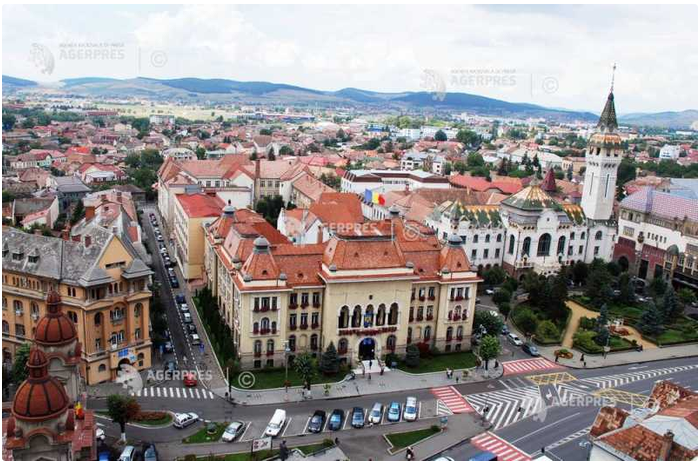
Targu Mures selected by European Commission among first six municipalities to host Citizens' Energy Panel
Targu Mures Municipality has been selected by the European Commission (EC), through the Citizen Energy Advisory Hub initiative, as one of the first six municipalities in Europe to organize a Citizens' Energy Panel. The local administration will host the launch event for the initiative on October 15, 2026, with the main objective of testing the 'Eco-Nei
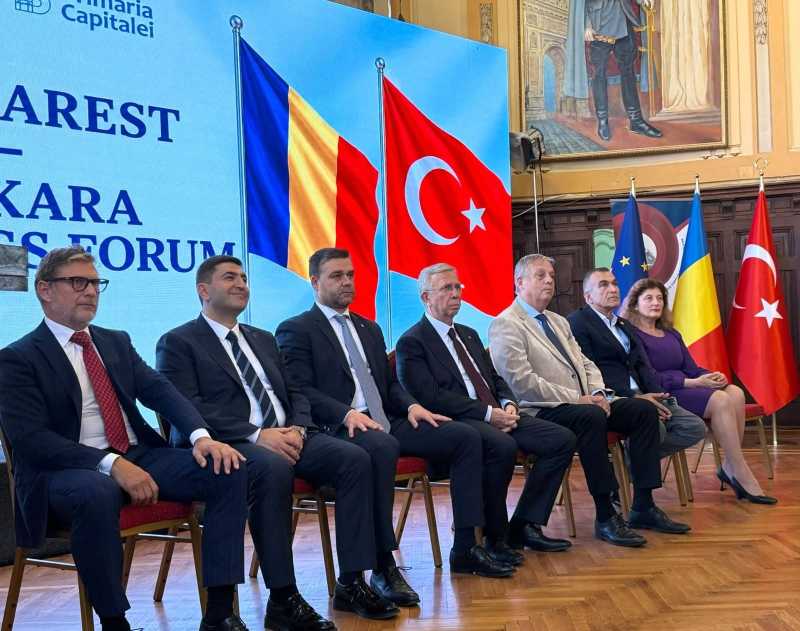
Bucharest and Ankara aim to develop economic cooperation and business partnerships
Representatives of public administration and the business community from Romania and Turkey discussed the development of bilateral economic cooperation and the identification of new business opportunities during the Bucharest-Ankara Business Forum, an event organized by the Bucharest Chamber of Commerce and Industry (CCIB) in partnership with the Bucharest City Hall, on the
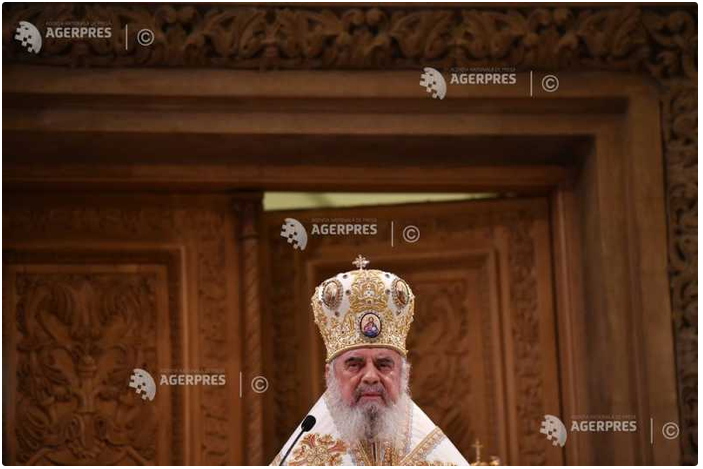
Patriarch Daniel sends well-wishes to Pope Leo XIV ahead of lung surgery
Patriarch Daniel of the Romanian Orthodox Church sent a message to Pope Leo XIV on Monday, wishing him 'plenty of help from God' with the health issues he faces. 'In this time of trial, we pray to our Lord Jesus Christ, the Healer of our souls and bodies, to relieve Your Holiness's suffering and grant you good health, so that you may continue y

Judge clears Crevedia explosion case for trial; EUR 53 mln in damages sought
A judge of the Racari Court in Dambovita County ruled on Monday to begin the trial on the merits in the case in which the two owners of the Crevedia LPG station, Ionut Doldurea and Cosmin Stanga, have been indicted in connection with the explosions of August 26, 2023, which left six people dead and 54 injured. The case was sent to court by the Prosecutor Gener
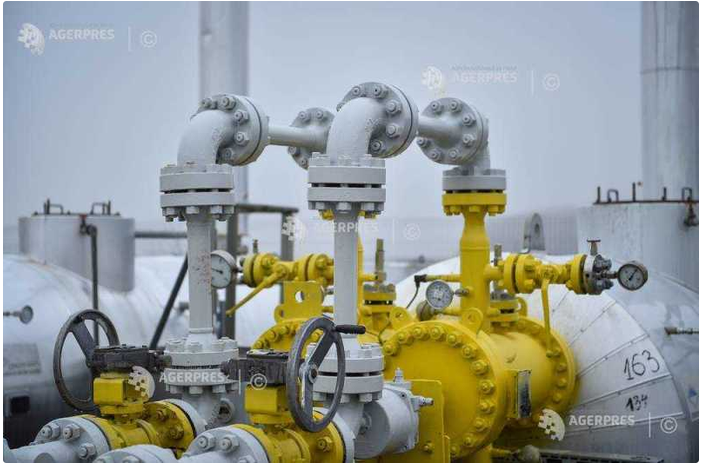
Re-liberalization of gas market, 'gas release' program, and Black Sea gas: Romania's chance to become an energy hub
The re-liberalization of the gas market, the resumption of the 'gas release' program, and gas extraction from the Black Sea could be Romania's opportunity to become a significant market—the energy hub that is constantly being discussed—Septimiu Stoica, Chairman of the General Meeting of Shareholders of the Romanian Commodities Exchange, stated on Mond

PSD rules out support for technocratic or hybrid gov't
National leader of the Social Democratic Party (PSD) Sorin Grindeanu said on Monday that he will not support a technocratic government or a hybrid government made up of social-democratic and technocrat ministers. At a news conference at the PSD headquarters, Grindeanu was asked if he excludes in any way PSD offering its support for a technocratic government or
Writer Norman Manea celebrated in Bucharest on his 90th birthday
A wide-ranging series of events dedicated to writer Norman Manea, marking his 90th birthday, will be held in Bucharest on Thursday and Friday, the National Museum of Romanian Literature has announced. Organised by the National Museum of Romanian Literature in partnership with the Romanian Cultural Institute, the 'Carol I' Central University Library, th

USR's Fritz: We will not engage in backroom deals that would prolong the current agony
The Save Romania Union (USR) will not engage in 'backroom deals' that would prolong 'the current agony,' USR leader Dominic Fritz told Prime Minister-designate Luca Niculescu on Monday. The USR will no longer form a government with the Social Democratic Party (PSD), Fritz stressed at a press conference held at the party headquarters after his m

Interim ForMin: Ceasefire at Black Sea - a priority; Russia must not be allowed to use bread as weapon
Romania supports a ceasefire in the Black Sea region, interim Foreign Minister Oana Toiu said on Monday, stressing that Russia must not be allowed to use bread 'as a weapon.' 'Our priority, from Romania's perspective, is to support a ceasefire at the Black Sea. We have witnessed direct attacks on vessels in the Black Sea's exclusive economi

StateSec Busoi: Romania's gas storage levels - above European average and over 80% target
Romania's gas storage levels are above the European average and exceed the 80% target, with household consumers assured of both price stability and sufficient supplies, as are district heating systems, Secretary of State with the Ministry of Energy Cristian Busoi told the Natural Gas Forum on Monday. He also highlighted the need to continue reducing the bu