

Romanian Ia, proudly worn on all the stages of the world by members of "Floricica de la munte" Ensemble

The Romanian Ia (which is a Romanian traditional blouse) has an antiquity that spans almost twenty centuries, reaching back in history to the time of the Dacians, two millennia ago.
The blouses worn by the women and men of the Carpathian-Danubian-Pontic lands have accompanied the troubled history of our people, but also our development and definition as a nation.
Coming closer to our days, we learn from the artistic consultant of the "Carmen Saeculare" Centre for Culture and Arts Neamt, Valentin Andrei, that the crafting activity of tailoring in the area of Moldavia developed especially in the feudal period, particularly in rural areas, in the 17th and 18th centuries.
.jpg)
"From the 19th century onwards, the crafting activity also flourished within towns, where there were guilds of tailors, furriers, skinners, etc. (...) who worked skirts, silk and fabrics. The domestic textile industry excelled in the working of cotton, hemp, flax and wool, from which cloths, clothing items and coats were made. The variety and beauty of the folk costume in the ethnographic area of Neamt can be explained by the extensive development of the crafts that produced clothing pieces and the domestic textile industry," Valentin Andrei told AGERPRES.
The ethnographic area of Neamt county is divided into three sub-units - Bistritei Valley area, Neamt area with four sub-areas - Targu Neamt, Razboieni, Piatra-Neamt and Campul lui Dragos and Roman area.
"In the mountain area, Bistritei Valley, the traditional costume includes darker, predominantly black models, while in the hill areas (Targu Neamt and its surroundings) and even lower (Roman and its surroundings) the color opens up, with red being preferred. In the old days, the traditional costume was used mainly in rural areas. Peasants dressed for the days of the week in the simplest clothes possible: men in tight trousers and shirts, women in long blouses over which they placed a traditional apron. Both the blouses and the traditional aprons were modestly adorned with patterns, most of them not at all. For Sundays or holidays, the common people chose to dress themselves in festive clothes, beautifully decorated with local designs. (...)," Valentin Andrei explained.
While in the mountainous areas, linen or hemp cloth woven in cotton were used to make the festive shirts, in the lower areas (Roman), it was used the short and curly wool, spun through the bead.
.jpg)
"At the end of the 19th century, cotton and floss silk appeared. The cloth of mastic hair (thin cotton) and mastic cloth (thick cotton) began to replace the short and curly wool cloth, and the floss silk was used for various occasions. One of these, the wedding, had the groom's shirt made from such cloth. The short and curly wool cloth, cotton or floss silk were decorated with stripes of different colors from warp called picot. These were made with thick white cotton," Valentin Andrei said.
The oldest, archaic pieces, over a hundred years old and even better, are kept today in the chests, the former dowry boxes of grandmothers and great-grandmothers.
Such traditional costumes are of unquestionable artistic and documentary value, the most valuable dating from the second half of the 19th century, when the development of folk art reached its peak.
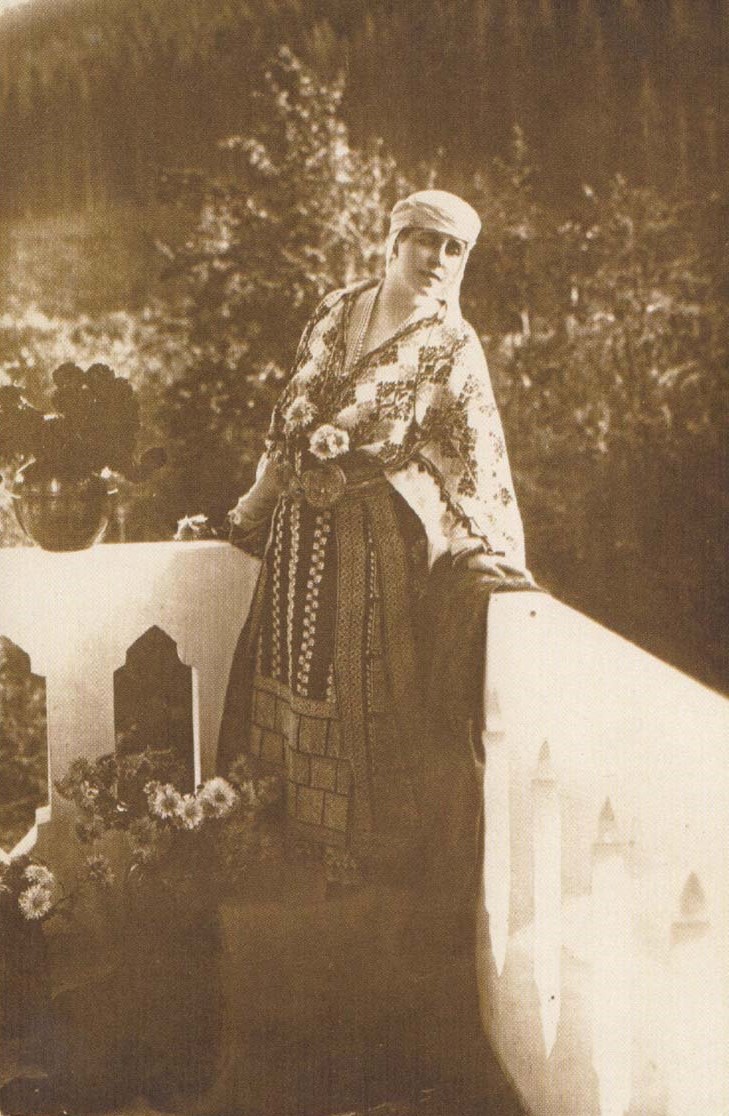
"The developmentof wearing the Ia in the urban environment takes a significant turn with the promotion of the Romanian Ia by Queen Maria. She probably took over the idea from her predecessor, Queen Elisabeta, who, in the privacy of the Peles Castle, often wore the popular Romanian blouse. Thanks to the photographer of the time, Adolph Chevallier, a Romanian born in Brosteni - Neamt county, with a Swiss father and a Romanian mother, today, we have splendid images in which the direct granddaughter of Queen Victoria of the UK was a model for the ladies of the upper class, many of whom later chose to wear, not only on holidays, the blouse of their great-grandmothers. A son of Bistritei Valley, a fine connoisseur of traditions and customs, as well as of the life of the villagers, Adolph Chevallier also captured for the future various rural characters. So today we have a visual testimony of the beauty of Romanian women, a beauty enhanced by wearing their traditional costume," Valentin Andrei said.
For those who carry out their professional activity under the flag of the "Carmen Saeculare" Centre for Culture and Arts Neamt, wearing the traditional costume or at least some elements of it represents a double duty - says Valentin Andrei.
As of 2001, the Centre has also been home to the "Floricica de la munte" (Flower from the mountain) Folklore Ensemble, an artistic group that features instrumentalists, vocal soloists and dancers.
On the stages of the county, across the country and abroad, the members of the ensemble proudly wear the traditional costumes of the areas of Moldavia, Oasului, Maramures, Ardeal, Oltenia, Muntenia, Dobrogea, the repertoire of the ensemble being from all these areas.
For the creation of the costumes, over the years, the coordinators of the ensemble's activities have called upon folk craftsmen from these areas.
"I like to dress up in Ia because it makes me feel closer to my roots, to my grandparents, to the home where I grew up, to my first artistic activities," the artistic director of the "Carmen Saeculare" Centre for Culture and Arts, choreographer Dedilia Popovici stated.
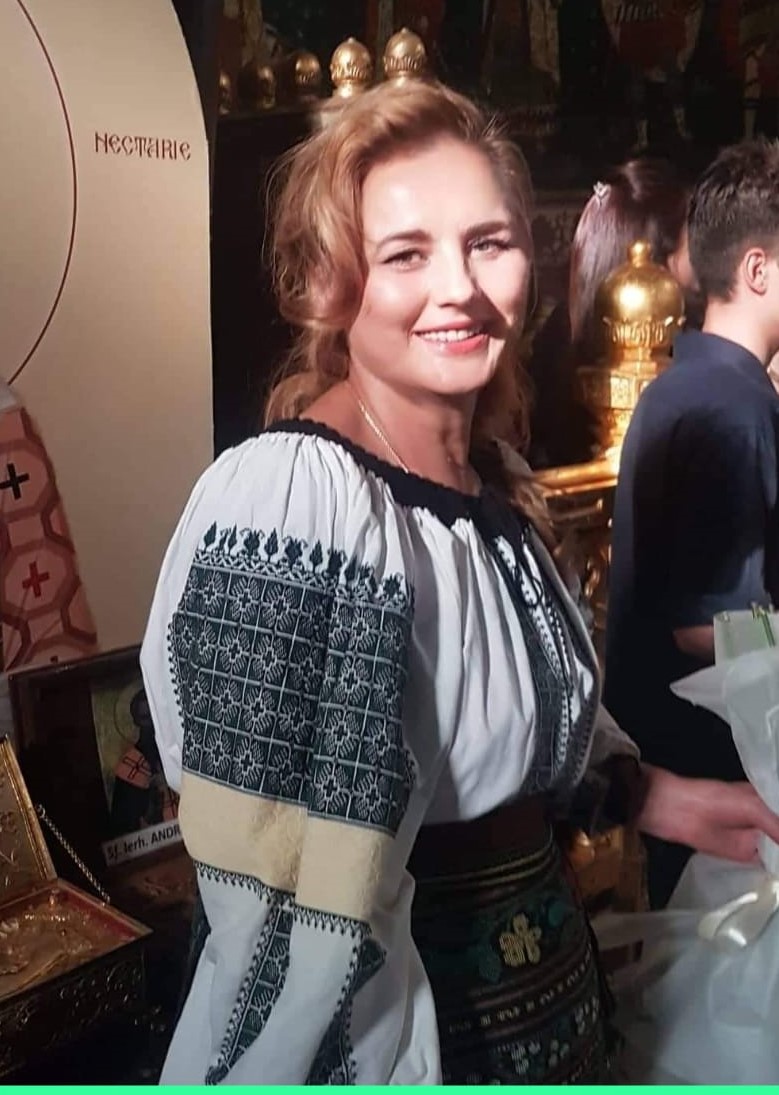
''Wherever I am, I wear it with pride and gratitude for what we were, are and will be as a people. I had the opportunity to experience many special moments with the folk costume, but one that has remained in my heart was in the winter of 2019, when the 'Floricica de la munte' Folklore Ensemble celebrated the National Day at the Romanian Embassy in London. A patriotic performance attended by the Romanian community in London," Ioana Gurau brought to mind.

"The folk costume represents an unwritten book of every Romanian woman. It has its own aura, unique in its own way, thanks to the stories told through weaving, stitching and those thought or uttered during the creative process," soloist Paula Andrei said, in her turn.
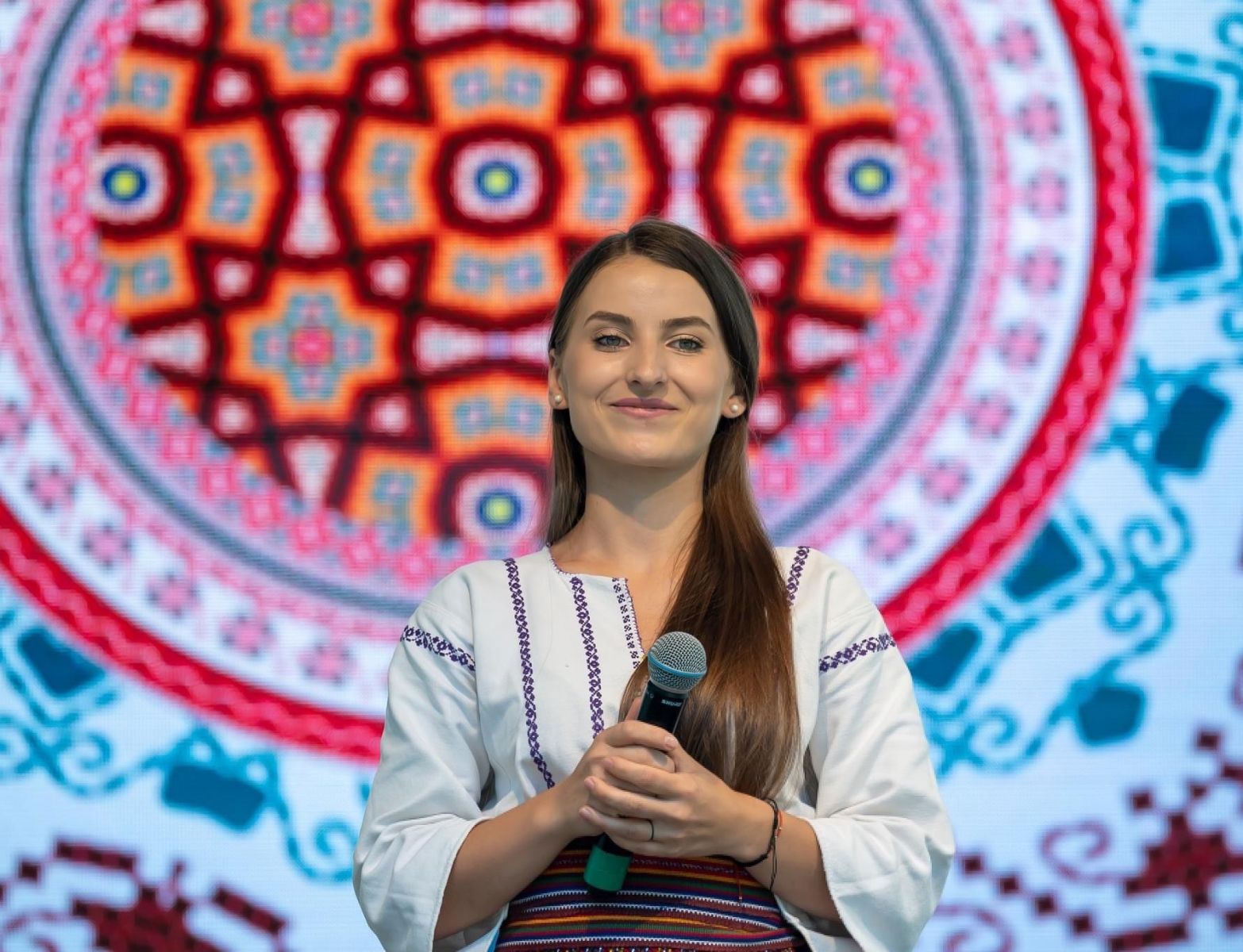
''Wearing the traditional costume is for me like a beautiful spell which I don't want to ever break. I believe that it combines beauty, richness, expressiveness, self-love and love for the roots," soloist Georgiana Serban Axinte believes.
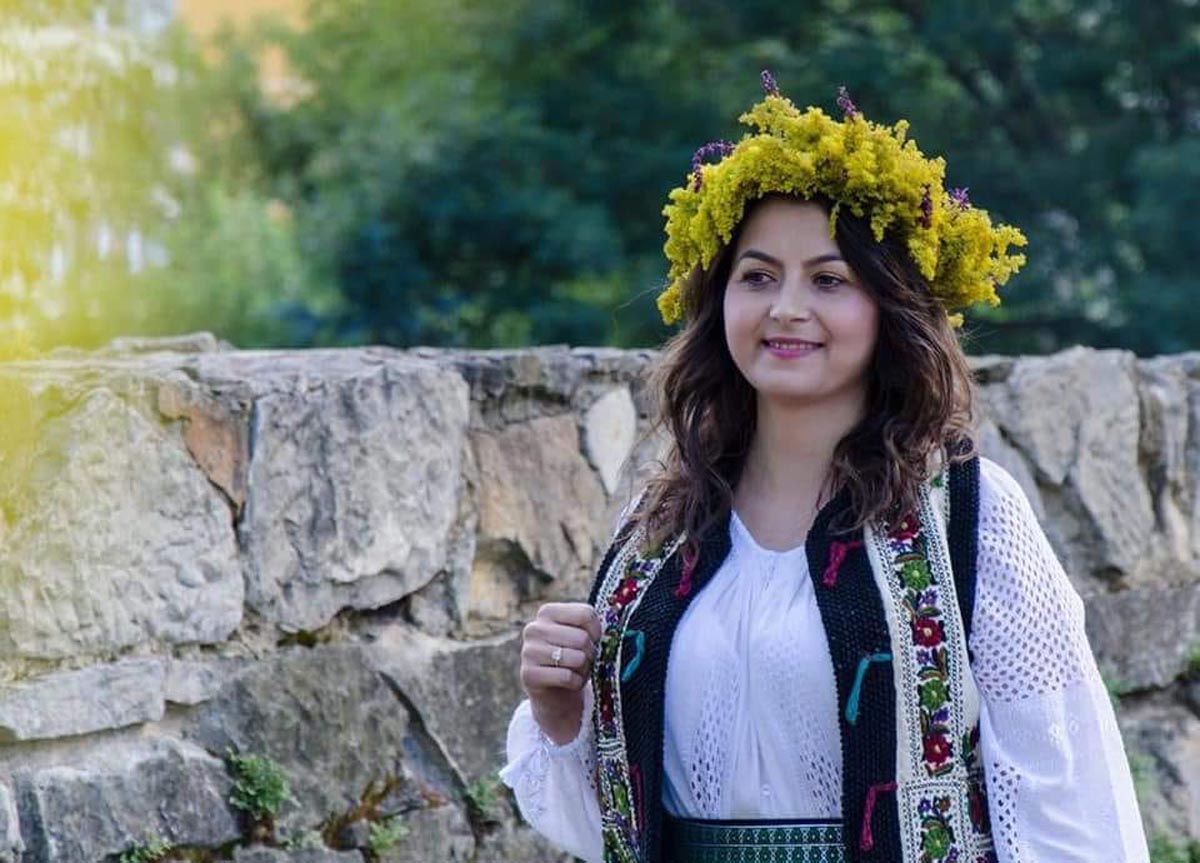
Dancer Silviu Soroaga says that wearing the folk costume gives him a feeling of direct expression of the national side and preservation of the purely Romanian traditions and customs inherited from his ancestors.
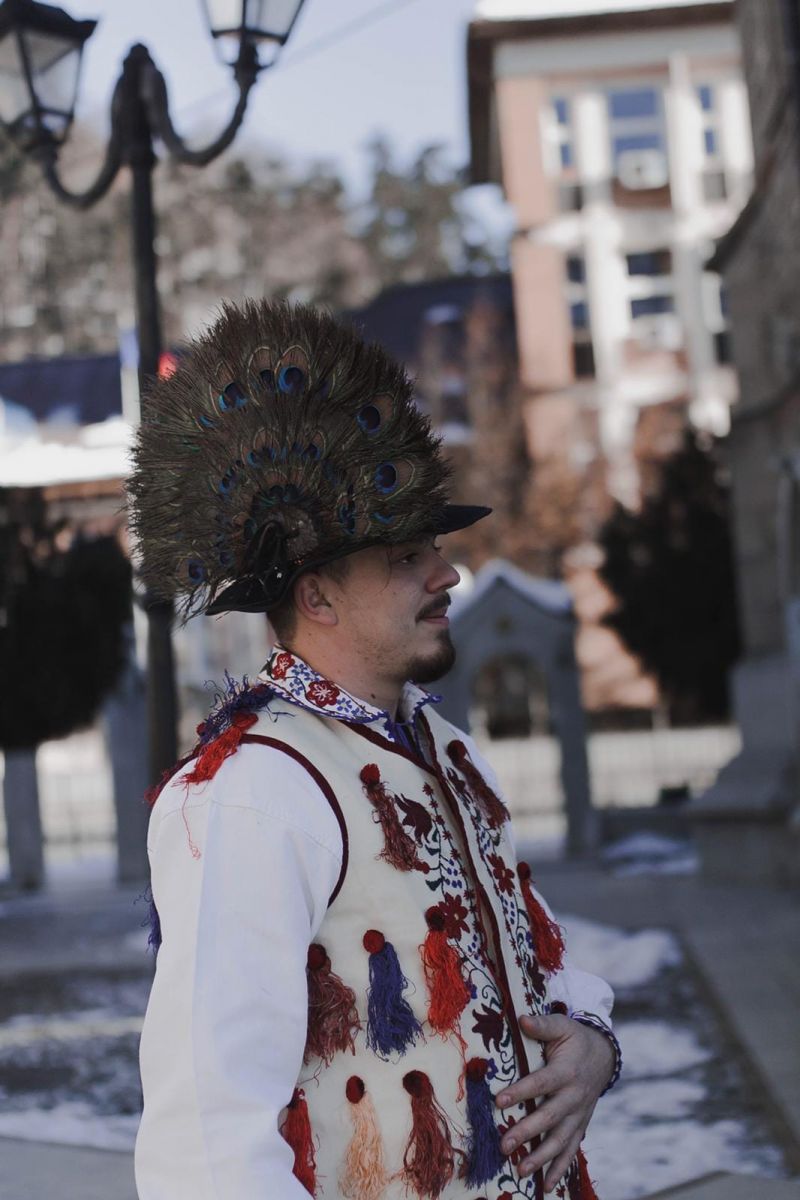
For soloist Laurentiu Marian, wearing the traditional costume is more than a simple clothing, it is an expression of cultural identity and personal values.
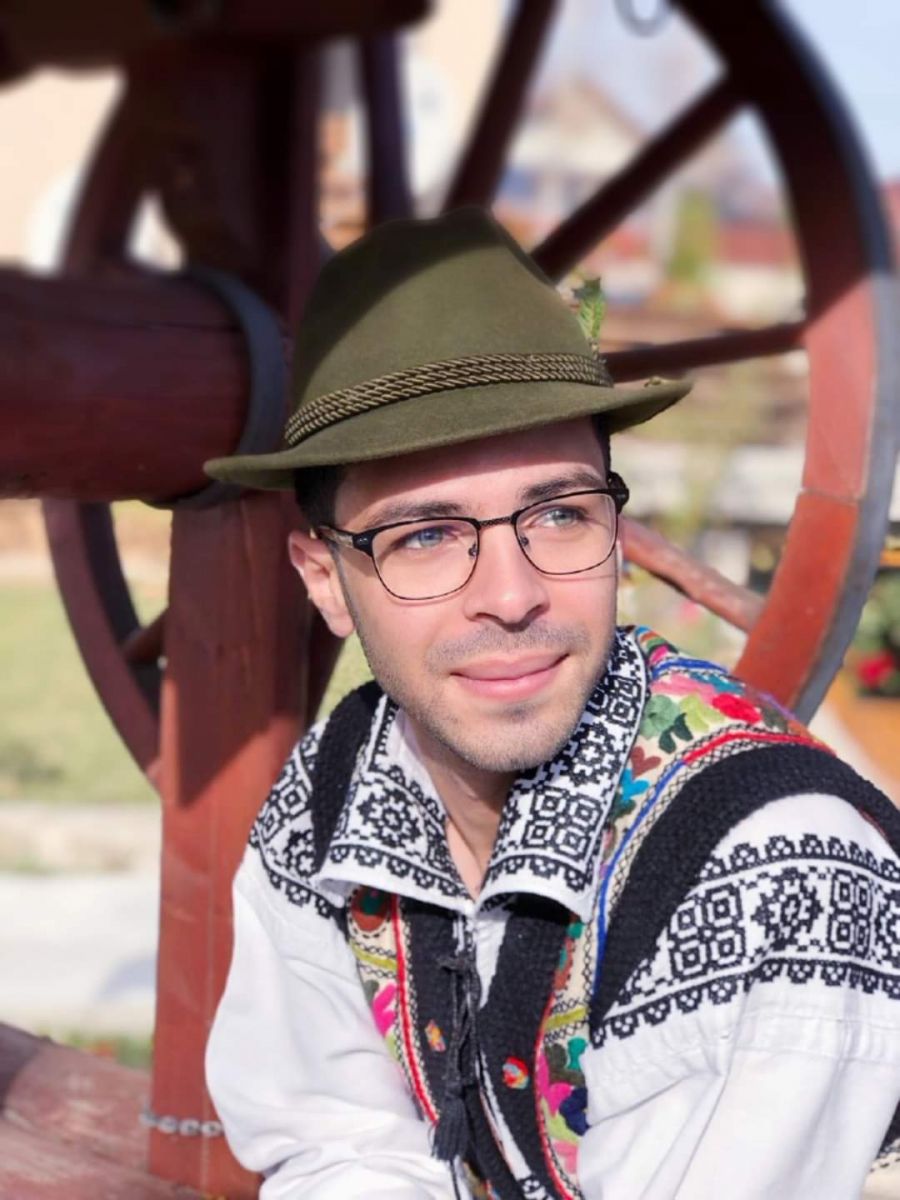
Choreographer and dancer Marius Lupu says that the feeling given by wearing the folk costume is that of strengthening the national spirit, bringing the entire body into a pure emotion. AGERPRES (RO - author: Gabriel Apetrii, editor: Georgiana Tanasescu; EN - editor: Rodica State)
Photos source: "Carmen Saeculare" Neamt Centre for Culture and Arts
The content of the www.agerpres.ro website has the exclusive purpose of public informing.
All the information published on this website by AGERPRES is protected by relevant legal dispositions.
It is forbidden to copy, reproduce, recompile, decompile, distribute, publish, display, modify, create derived components or products or full services, as well as any exploitation of the site's content.
Details in the section Terms of Use. If you are interested in picking up AGERPRES news items, please contact the Marketing Department – marketing@agerpres.ro.
The use of the Comments section entails your obligation to respect the AGERPRES terms and conditions in regards to the publishing of comments on the www.agerpres.ro.
Other news in category

Relics of Saint Lazarus, placed at the Patriarchal Cathedral
A fragment of the relics of the Saint and Righteous Lazarus was placed for worship on Saturday, at the Patriarchal Cathedral, informs the Basilica agency of the Romanian Patriarchate. The faithful will thus be able to meditate in memory of Lazarus, the one whom the Church honors on the eve of the Feast of the Entry of the Lord into Jerusalem. &#

NATO Day/77 years since NATO was founded; Alliance's unity is essential (Senate's Abrudean)
Senate Speaker Mircea Abrudean highlighted on Saturday, in a message sent on the occasion of the 77th anniversary of NATO's founding, that the unity of the North Atlantic Alliance is essential to respond to security challenges and to protect the values that define us. 'Security, solidarity and commitment for a safer future! NATO marks 77 years since it
Reconfirmation of Romania's sovereign rating highlights confidence of international agencies in authorities' ability to continue fiscal consolidation
The reconfirmation of Romania's sovereign rating highlights the confidence of international agencies in the authorities' capacity to continue fiscal consolidation and maintain macroeconomic stability, Finance Minister Alexandru Nazare said on Friday, after the financial rating agency S&P Global Ratings reconfirmed Romania's sovereign rating at BBB-/A-3 for lo
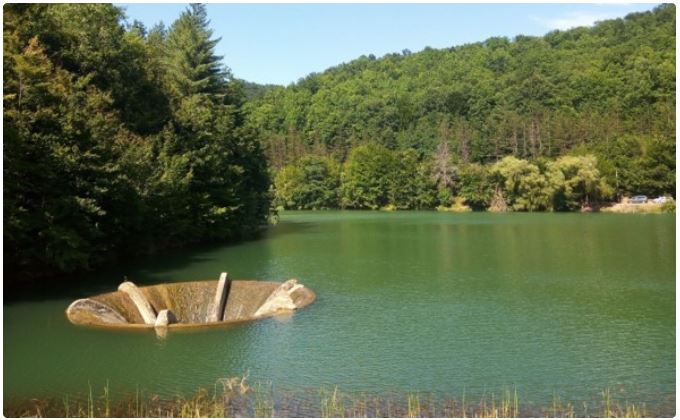
'Whirlpool' Vida Lake to turn into sustainable rural tourism site
The Dobresti local administration is preparing to turn Lake Vida - one of Romania's most spectacular and unique lakes - into a regional hub for active and sustainable rural tourism, through a project estimated at four million euros, following the completion of complex desilting works. Dobresti mayor Florin Copos recently told AGERPRES that the local author
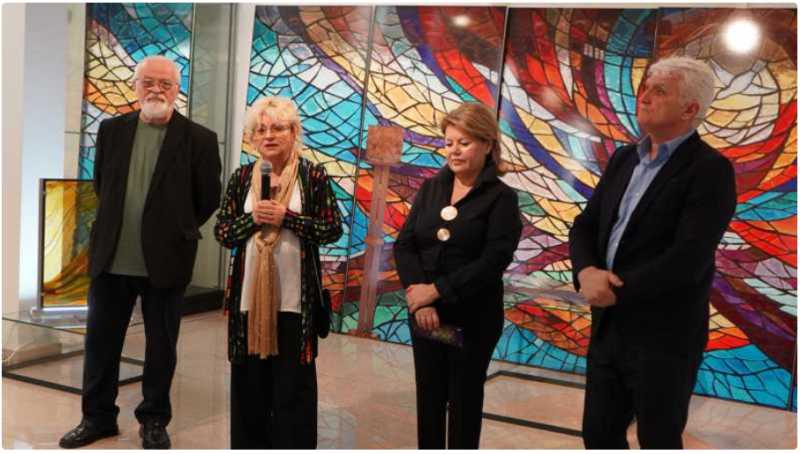
Amalia Verzea's 'The Art of Stained Glass at 360 Degrees' arrives in Oradea
After being presented in Bucharest, the personal exhibition 'The Art of Stained Glass at 360 Degrees' signed by internationally renowned Oradea artist Amalia Verzea, has arrived in her hometown, at the Cris Land Museum, where it can be visited until May 10. The exhibition will later travel to Rome. 'I have been making stained glass all my life. Sin
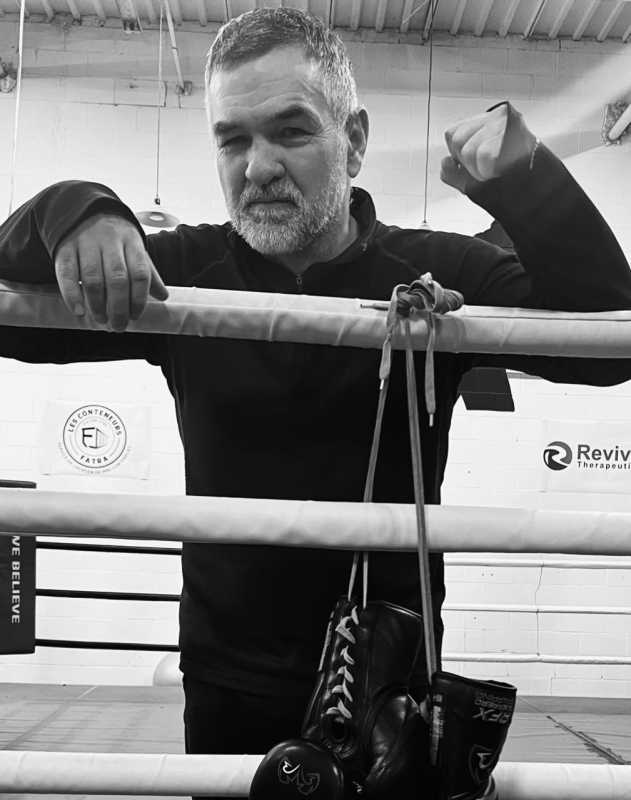
#BoxingCentenary/INTERVIEW Leonard Doroftei: Romanian boxing can rise again, but only with better coaching
Former boxing great Leonard Doroftei told AGERPRES in an interview that Romanian boxing is going through a rather challenging period, but he remains confident the sport will recover and once again produce athletes capable of winning medals at European, World and Olympic level. 'We're going through a tougher patch. I hope that one day we'll bounce b

#Nadia Year/International Day of Sport for Development and Peace celebrated with small gymnasts
The Romanian Olympic Committee (COSR), through the Romanian Olympic Academy on Friday organised an event at the Mariana Bitang Gymnastics Hall inside the Dinamo Sports Club, celebrating International Day of Sport for Development and Peace together with young gymnasts and legends of Romanian gymnastics. The event is part of the series of actions carried out by
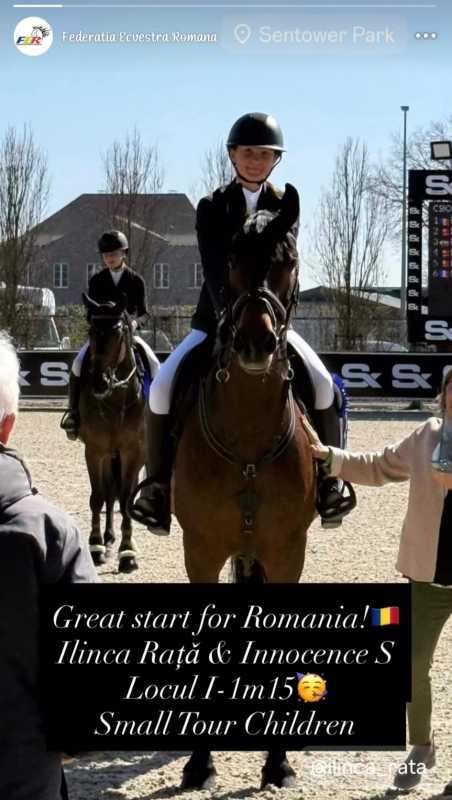
Iasi equestrian wins first place at her debut at CSIO Ch Nations Cup Youth Belgium
Iasi equestrian Ilinca Rata, aged 14, brought Romania its first victory in the CSIO Ch Nations Cup Youth competition, held in Opglabbeek (Belgium). Registered with the Equester Sports Club Iasi, Ilinca won in the debut event for the Children category - Small Tour (1.15 m), after a penalty-free course, performed alongside the horse Innocence S/Ingo.

Ioana Dogioiu: Government approves ordinance on temporary reduction of excise duty on diesel fuel
Government spokesperson Ioana Dogioiu declared on Friday that the Executive adopted the normative act regarding the temporary reduction of the excise duty level for diesel and the establishment of the solidarity contribution on revenues from the marketing of crude oil and energy products obtained from the processing of crude oil extracted from the territory of Romania.

Jianu:Entrepreneurial index for 2026 fell to 43.25 points; only two macroeconomic indicators are increasing
The entrepreneurial index dropped this year to 43.25 points, from 49.5 points in 2025, in conditions in which most macroeconomic indicators stagnated or registered decreases, while the dynamics of turnover and foreign investments were on the rise, data from the third edition of the report show. 'We meet today at the launch of the Romanian Entrepreneurship

One of Romania's main challenges remains high level of energy prices during peak hours (StateSec)
One of Romania's main challenges remains the high level of energy prices during peak hours, and the solutions are increasing domestic production, investing in storage capacities and more efficient management of consumption, according to Energy Ministry Secretary of State Cristian Busoi. 'One of Romania's main challenges remains the high level of en
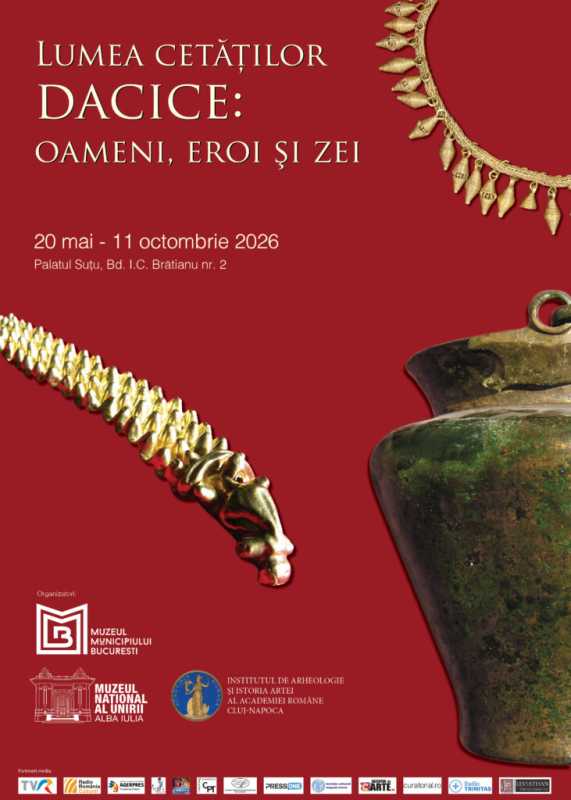
'The World of the Dacian Fortresses: People, Heroes and Gods' exhibtion to open at Sutu Palace
The thematic exhibition 'The World of the Dacian Fortresses: People, Heroes and Gods' will open on 20 May at the Sutu Palace. 'From 20 May, we invite you to the thematic exhibition ‘The World of the Dacian Fortresses: People, Heroes and Gods,' an opportunity to discover the fascinating world of the Dacians and their fortifications, viewed
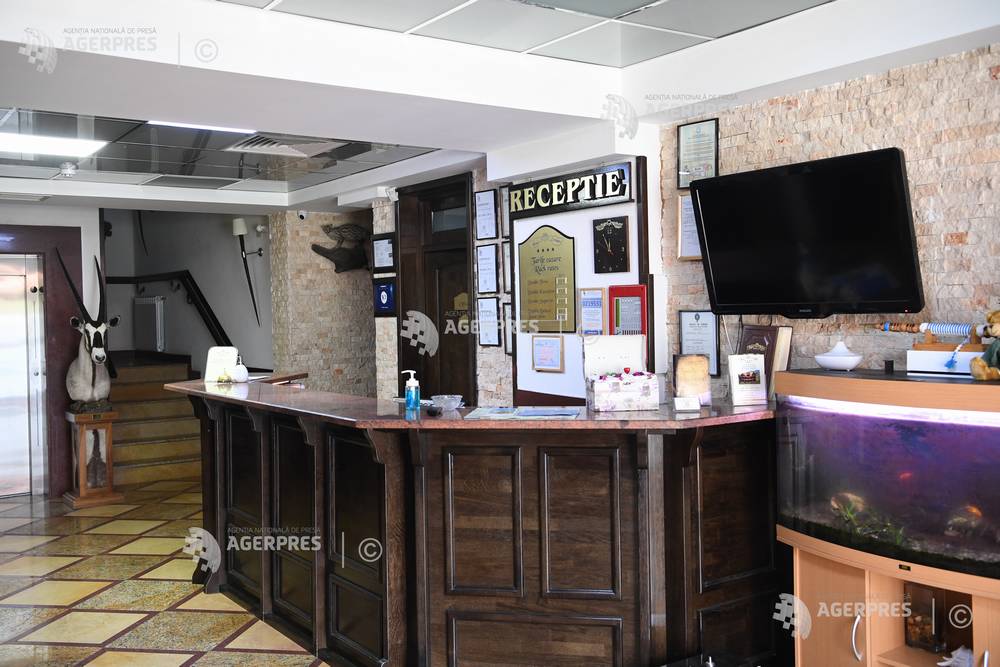
Romania records tourist arrivals down 3.7% and overnight stays down 3% in February
Arrivals and overnight stays in the establishments of tourists' reception with functions of tourists' accommodation, including apartments and rooms for rent decreased by 3.7% and by 3%, respectively, in February 2026 compared to the same month last year, according to the National Institute of Statistics (INS) data published on Friday. The arriva
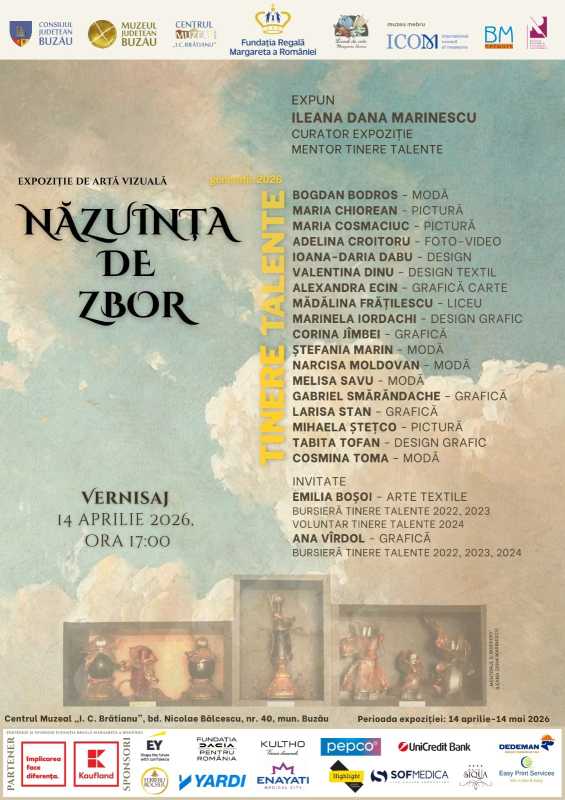
Exhibition dedicated to young artists, organised in partnership with Margareta of Romania Royal Foundation
The Buzau County Museum, in partnership with the Margareta of Romania Royal Foundation, is organizing the opening of the exhibition called 'The aspiration to fly' ('Nazuinta de zbor'), dedicated to young artists of the 2026 generation, an event which coincides with the 130th anniversary of the inauguration of the former 'I. C. Bratianu' hospital build

FEATURE/ Inter-institutional training on the Danube part of Sea Shield exercise
The Sfantu Gheorghe branch of the Danube on Thursday hosted an inter-institutional training exercise that dealt with the management of a refugee crisis in the Danube Delta area and prisoners of war, an event that was part of a wider Sea Shield exercise. The military exercise designed to secure the interoperability of the entities participating in a multination